Sleep Medication vs Therapy: What the Research Says in Ireland

Sleeping pills can help short-term, but therapy often wins long-term. Compare sleep medication and CBT-I for insomnia based on research.
At 2 a.m., Aidan from Dublin would lie in the dark weighing his options. He had a packet of sleeping tablets in the bedside drawer that his GP had prescribed three months ago. They worked for the first few nights, then less reliably, then he started worrying about whether he should be taking them at all. He had read online that therapy might be better, but the tablets were fast and the waiting list for psychology felt endless. He was not sure what the right choice was.
If Aidan's dilemma feels familiar, you are not alone. Many people with insomnia in Ireland face a genuine choice between medication and therapy. Both have a role, but they work in different ways and suit different situations. Understanding what the research actually says can help you have a more useful conversation with your GP or therapist.

What Sleeping Medication Actually Does
Sleeping tablets, whether prescribed by a GP or bought over the counter, tend to work quickly. They can help you fall asleep faster, stay asleep longer, or both. For short-term sleep disruption, such as grief, jet lag, or acute stress, they can provide welcome relief.
There are different types. Benzodiazepines and Z-drugs are commonly prescribed for short-term insomnia. Some antihistamines are available without prescription. Melatonin is sometimes used, particularly for circadian rhythm problems. Each carries its own benefits and risks, and none is a cure for chronic insomnia.
The HSE advises that sleeping tablets are usually only recommended for short-term use because of the risk of dependence, tolerance, and side effects. Tolerance means the same dose becomes less effective over time. Dependence means stopping the medication can cause rebound insomnia or anxiety. This does not make medication bad, but it does mean it is rarely the best long-term solution on its own.

What Therapy for Insomnia Actually Does
Cognitive behavioural therapy for insomnia, or CBT-I, takes a different approach. Instead of sedating the brain, it changes the patterns that keep insomnia alive. That includes unhelpful beliefs about sleep, behaviours like lying awake in bed for hours, and habits that weaken your natural sleep drive.
According to the Health Service Executive (HSE), insomnia is one of the most commonly reported sleep problems among adults in Ireland, with around one in three people affected by disrupted sleep at some point in their lives. For those whose insomnia persists, CBT-I is recommended as the first-line treatment because it addresses the underlying causes rather than just the symptoms.
Dr Breege Leddy, founder of the Insomnia Clinic, explains the difference simply: "CBT-I gives people lifelong tools to manage and treat their insomnia." That is the key distinction. Medication can quiet the problem for a night; therapy teaches you how to solve it.

What This Decision Actually Looks Like in Ireland
In practice, many Irish GPs have limited time per appointment and may reach for a short prescription because it is the fastest option available. That is understandable when someone arrives exhausted and desperate. But it can also mean that non-drug options are not always discussed in depth.
Access to HSE-provided CBT-I varies. Some counties have dedicated sleep services or psychology departments that offer it. In other areas, the waiting list for any form of talking therapy can be months long. This uneven access pushes some people toward private therapy, which can feel expensive, or toward repeated prescriptions that never quite solve the problem.
There is also a quiet stigma around both choices. Some people feel embarrassed about needing sleeping tablets. Others worry that asking for therapy means they are not coping. Neither view is fair. Sleep is a biological need, and struggling with it is not a personal failure. The real question is which approach gives you the best chance of sleeping well again in a way that is safe and sustainable for you.
That is why it helps to arrive at your GP appointment with clear questions. Ask how long the medication is intended for, what the taper plan looks like, and whether CBT-I is available locally or online. If you are already taking sleeping tablets regularly, ask whether a gradual reduction plan alongside therapy might be appropriate.

What the Research Says
Multiple large studies and meta-analyses have compared CBT-I with sleeping medication. The consistent finding is that CBT-I produces larger and more durable improvements in sleep quality, sleep onset time, and night-time waking. People who complete CBT-I tend to maintain their gains months or even years after treatment ends.
Sleeping medication can produce faster initial relief, which is why it is sometimes useful at the start of treatment or during a crisis. However, when people stop taking the tablets, insomnia often returns. CBT-I, by contrast, changes the habits and thought patterns that sustain insomnia, so relapse is less common.
A 2019 review published in the British Journal of General Practice concluded that CBT-I should be offered as a first-line treatment for chronic insomnia in primary care. Similar guidance has been adopted by the National Institute for Health and Care Excellence (NICE) in the UK. Irish GPs increasingly follow this evidence, though access to trained CBT-I therapists remains uneven across the country.

When Medication Makes Sense
There are situations where sleeping tablets are appropriate. If your insomnia began recently after a bereavement, a traumatic event, or a physical illness, short-term medication can help you rest while the underlying issue settles. If you are waiting for CBT-I and your sleep has become dangerously poor, your GP may suggest a brief course of medication to stabilise things.
The key is that medication should usually be part of a plan rather than the whole plan. Ideally, it is used for the shortest time necessary and combined with non-drug strategies such as sleep hygiene, stimulus control, and eventually CBT-I.

When Therapy Is the Better Choice
If your insomnia has lasted longer than three months, if it comes and goes in cycles, or if you find yourself anxious about sleep most nights, therapy is likely to help more than tablets alone. Chronic insomnia often becomes self-sustaining. The harder you try to sleep, the more awake you feel. CBT-I is specifically designed to break that loop.
Therapy is also a better option if you have become dependent on sleeping tablets and want to reduce or stop them. A trained therapist can help you taper safely while building new sleep skills. This should always be done with medical supervision, especially if you have been taking medication for a long time.
The Combined Approach
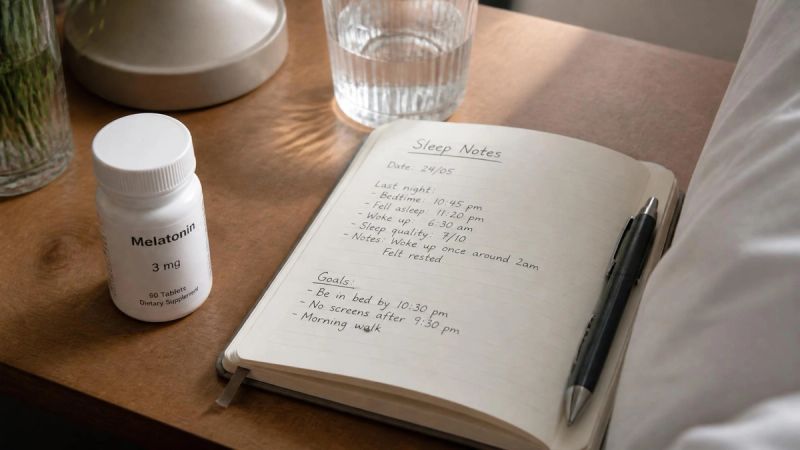
Medication and therapy are not always either/or. Some people benefit from a short course of medication while starting CBT-I, then taper off the tablets as therapy takes effect. Others use medication occasionally for difficult nights while relying on CBT-I skills for the rest of the time.
The best approach depends on your history, your current sleep pattern, your mental health, and what is available in your area. A good GP or sleep specialist will discuss the options with you rather than simply handing over a prescription.

Accessing Help in Ireland
If you are unsure which route to take, start with your GP. They can review your medication, check for underlying causes, and refer you to HSE psychology or sleep services if appropriate. Waiting lists vary, so if you want faster access you can also look for a private clinical psychologist or CBT therapist with experience in insomnia.
Online therapy is another option. At Feel Better Therapy, you can get matched with a therapist who understands sleep problems and can help you decide whether CBT-I is the right next step for you.
Frequently Asked Questions
Is it safe to take sleeping tablets every night?
Most sleeping tablets are not intended for nightly, long-term use. Over time they can lose effectiveness and may lead to dependence. If you find you need them most nights, it is worth speaking to your GP about alternatives such as CBT-I.
How quickly does CBT-I work compared to medication?
Medication usually works the first night you take it. CBT-I typically takes a few weeks to show full effects because it involves changing habits and thought patterns. Many people start to notice improvements within two to four weeks, and the benefits tend to last longer.
Can I do CBT-I while still taking sleeping tablets?
Yes, many people start CBT-I while still using medication and then taper off under medical supervision. Do not stop prescribed medication suddenly without speaking to your GP. A therapist can coordinate with your doctor to make the transition safer.

Making the Right Choice for You
There is no shame in having used sleeping tablets, and there is no single correct path for everyone. What matters is making an informed choice based on how long you have been struggling, what you have already tried, and what support is available to you.
If your insomnia has become a long-term problem, the research is clear: CBT-I offers the best chance of lasting improvement. If you are currently relying on medication and want to explore a different approach, you can learn more about CBT and how it applies to sleep, or get matched with a therapist who can guide you through the process.
Related Articles
- Sleep & Insomnia in Ireland: A Complete Guide
- What Is Insomnia? Signs, Symptoms and Causes in Ireland
- Chronic Insomnia: When Sleeplessness Won't Go Away
- CBT for Insomnia (CBT-I): How It Works in Ireland
This article is for informational purposes only and does not replace medical advice. If you are in crisis, please contact Samaritans Ireland at 116 123 or your GP out-of-hours service.