Healing After Infidelity: Can Online Couples Therapy Save Your Relationship?

Discovering an affair is devastating, but recovery is possible. Explore how specialized online couples therapy in Ireland helps partners navigate betrayal trauma, rebuild trust, and heal from home.
The discovery of an affair is universally recognised by psychological professionals as one of the most profoundly devastating events a human being can experience within the context of an intimate relationship. It is an event that fundamentally shatters the foundational narrative of your life together. In a single, heart-stopping moment of revelation, the past you thought you shared is abruptly rewritten, the present becomes a landscape of unbearable pain and hypervigilance, and the future you had planned is instantly dissolved into terrifying uncertainty. For couples in Ireland grappling with this profound relational trauma, the immediate aftermath is often characterised by chaotic emotional flooding, intense grief, crippling shame, and a desperate, agonizing search for answers. When the bedrock of trust has been entirely pulverized, the idea of ever finding a path back to a healthy, secure connection can feel not only impossible but almost offensive to the betrayed partner.
Yet, despite the catastrophic damage caused by betrayal, clinical experience and extensive psychological research demonstrate that a relationship can indeed survive infidelity. More than merely surviving, many couples who commit to the grueling work of recovery ultimately forge a "second marriage" with each other that is more honest, resilient, and deeply connected than the one that was destroyed. However, this level of profound healing rarely occurs organically or in isolation. It requires highly specialised, structured, and profoundly empathetic professional intervention. Today, an increasing number of couples are discovering that engaging in this intense therapeutic process through online counselling offers unique, vital advantages that traditional clinic-based therapy simply cannot match during a period of such acute emotional crisis. This comprehensive guide will explore the anatomy of betrayal trauma, the structured phases of clinical recovery, and exactly how online couples therapy provides the safest, most effective container for navigating the darkest chapter of your relationship.
Understanding Betrayal as an Acute Attachment Trauma
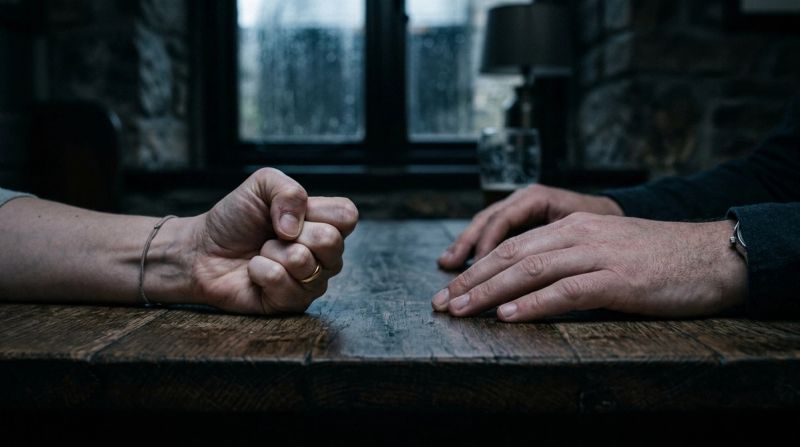
To comprehend why specialised therapy is so absolutely critical, one must first understand the true psychological nature of infidelity. When an affair is discovered, the betrayed partner does not merely experience a sense of hurt or disappointment; they experience an acute "attachment injury." From an evolutionary psychology perspective, our primary romantic partner is our secure base—the one person in the world who is supposed to have our back, protect us from danger, and serve as our emotional sanctuary. When the person who is supposed to be your safe harbour becomes the very source of your deepest pain and danger, the brain registers this as a profound, life-altering trauma.
The psychological and physiological fallout of discovering infidelity frequently mimics the symptoms of Post-Traumatic Stress Disorder (PTSD). The betrayed partner is often subjected to relentless, intrusive thoughts, horrific mental images of the betrayal, severe insomnia, sudden and unpredictable mood swings, and a state of perpetual hypervigilance where they are constantly scanning their environment (and their partner's devices) for further threats. Their autonomic nervous system is effectively hijacked, locked in a continuous state of "fight or flight."
"Infidelity is an earthquake that shatters the marital structure. It is not a symptom of a flawed relationship, though flaws may have existed; it is a profound trauma that stands alone in its capacity to destroy a person's sense of reality, safety, and self-worth. Healing from this requires treating the betrayed partner not just as someone who is sad, but as someone who is fundamentally traumatised."
Conversely, the partner who engaged in the affair is often drowning in a complex, toxic mixture of profound shame, debilitating guilt, defensiveness, and a desperate desire to "fix" the situation as quickly as possible. This urgency to move forward often causes them to inadvertently minimise the devastation they have caused, which in turn severely exacerbates the traumatised partner's pain. This creates a highly volatile, completely unmanageable dynamic that requires an expert, external mediator to safely navigate. If you are unsure if online therapy can handle this level of intensity, we strongly recommend reading our foundational guide, Does Online Couples Therapy Actually Work? Evidence and Outcomes in Ireland, which explores the robust clinical efficacy of virtual interventions in high-conflict scenarios.
The Unique Sanctuary of the Home Environment During Acute Crisis
When a relationship is in the acute, immediate aftermath of an affair discovery, the prospect of getting into a car together, sitting in suffocating silence during a tense commute across Dublin or navigating winding rural roads, and then sitting in a public waiting room can be completely insurmountable. For a betrayed partner whose nervous system is already overloaded and who may be prone to sudden bouts of uncontrollable weeping or intense anger, the requirement to be "presentable" in a public clinical setting is often an unbearable burden.
This is precisely where online couples therapy demonstrates its most profound logistical and psychological advantage. By allowing the couple to engage in this incredibly painful, deeply vulnerable work from the privacy of their own home, the virtual modality removes an immense layer of unnecessary logistical stress.

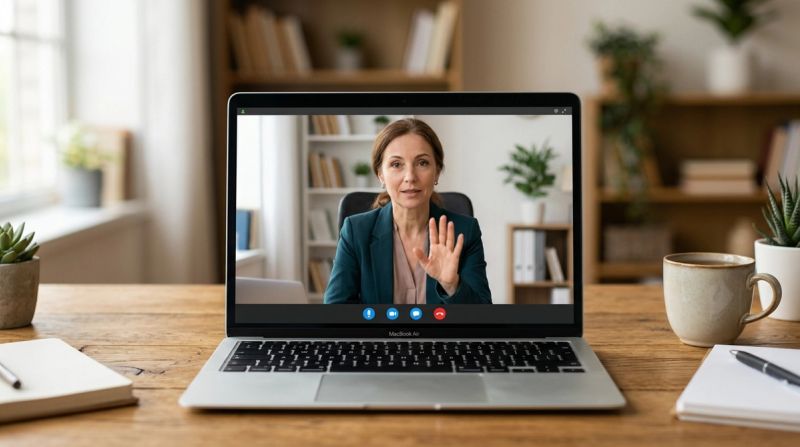
The home environment offers a crucial element of containment and control. If a session becomes too overwhelming, the betrayed partner is already in a space where they can immediately access their own bed, a comforting pet, or a private room the moment the laptop is closed, rather than having to compose themselves for a long car ride. Furthermore, the slight physical distance provided by the digital screen acts as a vital psychological buffer. In the presence of intense rage or profound grief, sitting two feet away from the person who caused the pain can be re-traumatising. The screen provides a safe, regulating boundary that allows both partners to stay mentally engaged in the incredibly difficult therapeutic dialogue without feeling physically overwhelmed, threatened, or cornered.
Phase One: Atonement and Managing the Fallout
Specialised infidelity recovery is not an unstructured, free-flowing conversation; it is a highly deliberate, multi-phased clinical process. General counselling that simply asks, "How are you both feeling today?" is woefully inadequate for betrayal trauma and can actually cause further harm. The first, and arguably the most difficult, stage of recovery is the 'Atonement' phase.
During the initial online sessions, the primary goal of the therapist is not to figure out why the affair happened. Focusing on the "why" too early often sounds like blame-shifting or justification, which is deeply damaging to the betrayed partner. Instead, the immediate focus is on triage, establishing absolute transparency, and crisis management. The online therapist will guide the couple through several critical steps:
- Establishing the Boundary of Safety: The affair must be entirely, unequivocally over. There can be no lingering contact, no "closure" meetings with the affair partner, and no hidden communication. The therapist will help the couple establish rigid, verifiable boundaries to ensure the immediate bleeding stops.
- The Process of Full Disclosure: The betrayed partner will inevitably have an agonizing need for details. However, "pain-shopping" (obsessively digging for traumatic, graphic sexual details) can inflict permanent psychological scarring. The therapist acts as a crucial gatekeeper during this process. They will help the betrayed partner ask constructive questions about the timeline, the deceit, and the emotional nature of the affair, while protecting them from unnecessarily graphic imagery that will only serve to fuel intrusive PTSD symptoms.
- Non-Defensive Listening: The partner who had the affair must learn the incredibly difficult skill of sitting with their partner's pain, anger, and grief without collapsing into a shame spiral, making excuses, or becoming defensive. The therapist will use the virtual structure to strictly enforce active, empathetic listening.
This phase is exhausting and emotionally brutal. The online therapist uses their expertise to pace the work, ensuring the couple does not attempt to process too much trauma in a single hour. If the couple struggles with explosive arguments during this phase, the therapist will heavily rely on techniques outlined in our guide on Breaking the Cycle: How Online Therapy Helps Irish Couples Improve Communication to keep the environment safe and productive.
Phase Two: Attunement and Understanding the "Why"
Only after the acute trauma has been managed, the complete truth has been laid bare, and a fragile baseline of safety has been established, can the therapy progress to the second phase: Attunement. This is the stage where the therapist gently guides the couple into exploring the complex, often painful context surrounding the affair. It is vital to state clearly that understanding the context is absolutely not the same as excusing the behaviour or blaming the betrayed partner. The choice to step outside the relationship always belongs 100% to the person who had the affair.
However, affairs rarely occur in a vacuum. During the Attunement phase, the online therapist helps the couple examine the vulnerabilities that existed within the relationship—or within the unfaithful partner's own individual psychology—that created an environment where an affair became possible. Was there a profound lack of emotional intimacy? Were they avoiding difficult conflict? Was the unfaithful partner dealing with a severe personal crisis, depression, or an overwhelming need for external validation that they selfishly sought outside the marriage?
This requires an immense amount of vulnerability from both parties. The digital format is exceptionally helpful here. Because couples are in their own familiar environment, they are often more willing to drop their protective armor and engage in the deep introspection required. The therapist acts as a compassionate translator, helping the unfaithful partner articulate their internal landscape without using it as a weapon or an excuse, and helping the betrayed partner hear the underlying vulnerabilities that led to the catastrophic choice.
Phase Three: Attachment and Forging a "New" Relationship
If a couple successfully navigates the grueling work of Atonement and Attunement, they eventually reach the final, deeply rewarding phase of recovery: Attachment. The brutal truth of infidelity is that the old relationship—the one that existed before the discovery of the affair—is dead and gone. It cannot be resurrected, and trying to "go back to normal" is a recipe for long-term failure and lingering resentment.
Instead, the goal of this final therapeutic phase is to consciously, deliberately build an entirely new relationship with the same person. This new relationship must be built on a foundation of radical honesty, renewed commitment, and a profound, hard-won understanding of each other's deepest vulnerabilities.

During this phase, therapists often employ highly structured, evidence-based frameworks to help the couple forge this new bond. This is where the virtual environment is utilized to teach new ways of connecting.
- Rebuilding Trust Through Verifiable Action: Trust is not a switch that can be flipped back on; it is a brick-by-brick reconstruction project based entirely on consistent, verifiable behaviour over a long period of time. The therapist helps the couple establish new rituals of connection and transparency.
- Fostering Secure Attachment: The therapist guides the couple through deep, emotionally focused exercises designed to prove to the betrayed partner that they are now safe, valued, and prioritized. For a deeper understanding of how this specific bonding process works, we highly recommend reading our detailed article, Emotionally Focused Therapy (EFT) Online: Reconnecting with Your Partner.
- Redefining Intimacy: Infidelity profoundly damages both emotional and physical intimacy. Reconnecting physically is often a terrifying prospect for the betrayed partner. The therapist provides a safe, clinical space to discuss these fears and slowly, respectfully rebuild a physical connection at a pace that feels entirely safe for the traumatized partner.
Managing Triggers in the Exact Environment They Occur
One of the most challenging realities of healing from an affair is dealing with the unpredictable, agonizing nature of emotional triggers. A trigger can be anything—a specific song on the radio, a text message alert that sounds like the one used by the affair partner, passing a specific hotel or restaurant, or even just a subtle shift in the unfaithful partner's tone of voice. These triggers instantly teleport the betrayed partner back to the moment of discovery, flooding their system with adrenaline and panic.
When a couple attends therapy in a pristine, neutral clinical office, they are far removed from the daily environment where these triggers actually occur. However, when engaging in online therapy, the couple is doing the hard work of recovery in the very same house where the triggers live. They are sitting on the sofa where the confrontational texts were read, or in the kitchen where the suspicious phone calls were overheard.
"Context-dependent learning is a powerful psychological principle. By processing the trauma and learning grounding techniques while physically located in the very environment that houses the painful memories, couples are able to actively overwrite those negative associations with new, healing experiences. They reclaim the safety of their own home."
The online therapist will actively help the couple develop a "Trigger Management Plan." When the betrayed partner is triggered between sessions, the unfaithful partner learns exactly how to respond—not with frustration or defensiveness ("We've already talked about this!"), but with immediate reassurance, transparency, and a willingness to sit with the pain they caused until the nervous system settles.

Why Specialisation is Absolutely Non-Negotiable
It cannot be overstated: infidelity is a highly specialised area of clinical psychology. A general counsellor who is lovely, well-meaning, and excellent at helping couples navigate generic communication issues may unintentionally cause immense, irreparable harm if they do not have specific, advanced training in betrayal trauma and structured infidelity recovery frameworks (such as the Gottman Method or EFT).
An untrained therapist might inadvertently rush the forgiveness process, encourage the betrayed partner to "move on" before the trauma has been fully processed, or focus too heavily on the pre-existing flaws in the marriage during the critical Atonement phase, effectively blaming the victim for the affair.
When you search for support, it is absolutely critical that you find a professional who explicitly specializes in this deeply complex field. One of the greatest advantages of online therapy is that it entirely removes geographical restrictions. If you live in a rural part of Ireland, you are no longer limited to the general practitioners in your local town; you can instantly connect with the country's leading specialists in infidelity recovery. To understand more about the specific, evidence-based clinical frameworks these specialists use to repair shattered trust, please review our guide on Emotionally Focused Therapy (EFT) Online: Reconnecting with Your Partner.
The Reality of the Outcome: Is Forgiveness Guaranteed?
A common fear for couples entering therapy after an affair is the pressure of the outcome. The betrayed partner often fears they will be pressured into a forgiveness they are not ready to give, while the unfaithful partner fears they will be perpetually punished and never forgiven.
A skilled online therapist does not have an agenda for your marriage. Their job is not to force you to stay together, nor is it to tell you to separate. Their role is to provide a safe, structured, and profoundly honest container for you to discover the truth of your relationship.

For many couples who engage fully in the grueling, courageous work of therapy, forgiveness (which is a daily choice, not a single event) is eventually achieved, and a beautiful, resilient new relationship is born from the ashes. However, for some couples, the therapy provides the painful but necessary clarity that the damage is simply too profound, or the unfaithful partner is unwilling to do the necessary work, and the healthiest path forward is an amicable, respectful separation.
Even if the relationship ends, specialized online couples therapy is never a wasted investment. It helps both individuals process the profound trauma, understand their own relational dynamics, untangle their lives with dignity (which is especially crucial if children are involved), and ensure they do not carry the unresolved, toxic baggage of this betrayal into their future lives.
Conclusion: Finding Hope in the Darkest Chapter
Discovering that the person you trusted most in the world has betrayed you is an earth-shattering experience. The pain is visceral, the confusion is total, and the path forward is entirely obscured by grief and anger. However, you do not have to navigate this unimaginably difficult terrain alone, nor do you have to force yourself to commute to a clinic when your world is falling apart.
Healing after infidelity is incredibly hard work, but it is entirely possible. Specialised online couples therapy provides the vital structure, the expert guidance, and the necessary psychological safety of your own home to begin the arduous process of rebuilding. By connecting with a trained specialist through a secure virtual platform, you are choosing to confront the trauma head-on, in an environment that prioritizes containment, truth, and ultimate healing.
To explore all the aspects of how virtual relationship support works, from understanding transparent costs to preparing for your initial intake session, please return to our comprehensive master directory: The Ultimate Guide to Online Couples Counselling in Ireland: Rebuilding Connection from Home.
If your relationship has been shattered by infidelity, please know that there is hope, and there is a structured, proven path to recovery. Reach out for the specialised, empathetic support you need to navigate this crisis and discover what is possible on the other side of betrayal.