Living With Bipolar Disorder: The First Year After Diagnosis

The first year after a bipolar diagnosis is mostly admin, adjustment and learning your own patterns. What helps in Ireland, and what to expect.
The appointment where you finally got the answer lasted under an hour, and you left with a word, a prescription and a follow-up in six weeks. Nobody handed you a plan for the other three hundred and sixty-four days.
That's the gap the first year lives in. The diagnosis explains the past, which is a relief, and then it hands you a set of ordinary tasks that nobody frames as treatment: taking tablets at the same time every day, going to bed when you're not tired, telling your employer something or nothing, and learning to read your own mood the way you'd read a weather forecast. None of it is dramatic. All of it is the actual work.

What the First Year Actually Looks Like
It's rarely a straight line up.
Most people describe the first few months as a period of adjusting medication until something fits, with side effects arriving before benefits. Then a stretch of feeling better, followed by the disorienting question of whether feeling good is normal or the start of an episode. Then, often, a wobble that frightens everyone more than it should, because the first year is when you're still learning what your early warning signs even are.
There's also grief in it, which surprises people. A diagnosis can take away a story you had about yourself, and it can take away the hope that this was a one-off. That grief is legitimate and it doesn't mean you're handling it badly.
Getting Used to Medication
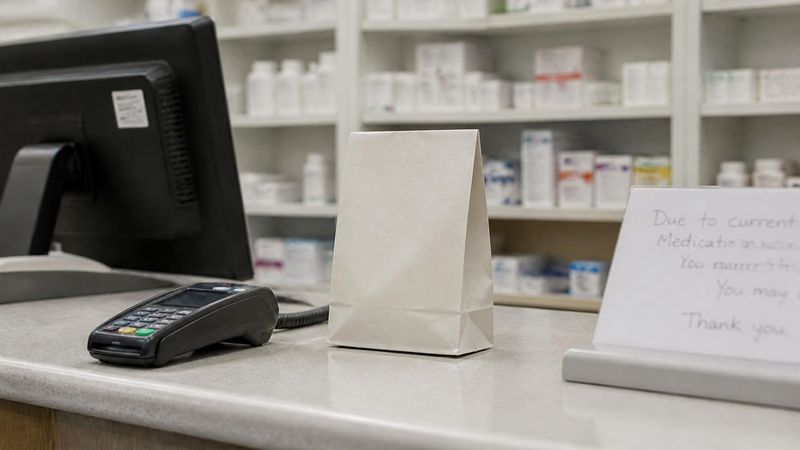
Mood stabilisers are the foundation of treatment in Ireland, and the HSE describes lithium and certain anticonvulsants and antipsychotics in that role. Lithium needs regular blood tests to keep it in a safe range, and those appointments are not optional admin. They're how the treatment stays safe.
The first year is usually when the dose gets worked out, and it's worth saying plainly: the process can be tedious. You may feel flat, or thirsty, or shaky, or simply not yourself for a while. Tell your prescriber rather than adjusting anything yourself. Stopping suddenly is the single most reliable way to bring on an episode.
Alcohol is the other thing worth being honest about. It disrupts sleep and it interacts with most of these medications, and the HSE lists it among the factors that make the illness harder to manage.
Building a Routine That Protects Sleep
Sleep isn't a wellness suggestion here. It's a lever.
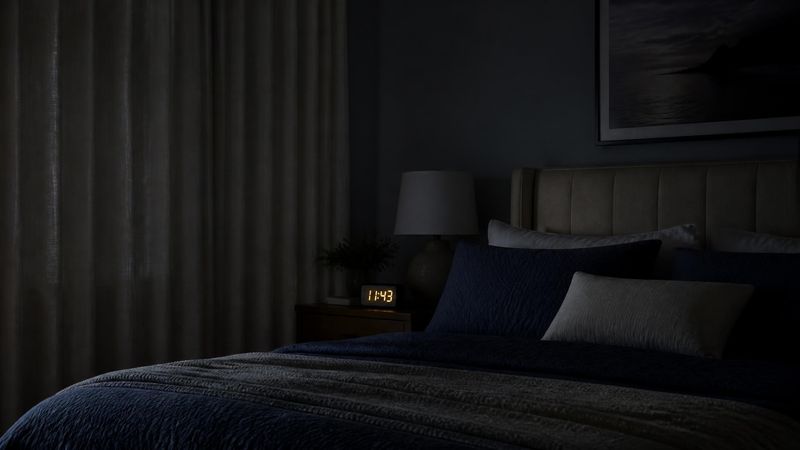
Reduced need for sleep is a core feature of mania, and lost sleep also triggers episodes. That makes bedtime one of the few things in your control that genuinely shifts the odds, which is why clinicians push routine so hard in the first year.
In practice that means a fixed wake time, even after a bad night and even at weekends. It means noticing when you've been sleeping four hours and feeling fine, because that's a signal rather than a talent. It means being careful with shift work, long-haul travel and late nights, and having a plan for the weeks when life won't cooperate: a wedding, a new baby, an exam, a deadline.
Most people find a mood diary helpful for the first year, not forever. A line a day about sleep, energy and mood gives you and your psychiatrist something to read that isn't memory.

Telling People Who, When and How Much
There's no obligation to announce anything.
The useful distinction is between people who need to know and people you'd like to tell. A partner, or whoever lives with you, needs enough information to spot a change and to know what you'd want them to do. A close friend needs less. An employer is a separate decision with real consequences, and it belongs to you.
What helps is deciding your own words before the conversation, because the first time you say it out loud is usually clumsy. Some people say "I have bipolar disorder" and leave it there. Others say "I've been dealing with a mood disorder, I'm in treatment, and I'm fine" and move on. Both are complete sentences.
Expect a range of reactions, and don't read too much into the first one. Some people will ask three questions and then move on, which can feel dismissive but is often just tact. Others will over-worry and start treating you like glass, which is worse. It helps to tell the people closest to you what you actually want from them: not monitoring, not sympathy, just a normal relationship and someone who'll say something if they notice a change.

Work and Study in the First Year
Most people keep working. The first year is often about protecting that.
Practical things that help: predictable hours where possible, protecting sleep after late shifts, and knowing your legal position before you need it. In Ireland, the Employment Equality Acts treat bipolar disorder as a disability, which means you're protected from discrimination and entitled to reasonable accommodations, though you're not obliged to disclose a diagnosis to request them in every circumstance.
If you do disclose, keep it factual and forward-looking. What you need is a specific adjustment, not an explanation of your medical history. Reduced hours for a period, a later start, time off for appointments, or flexibility around deadlines are all ordinary requests.
Living With the Fear of the Next Episode
The fear is rational, and it fades with time and evidence.
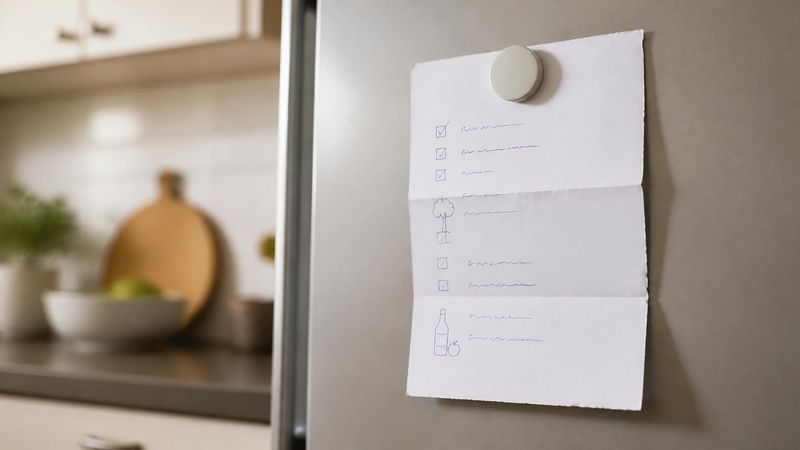
Relapse prevention is the project of the first year. That's what Wellness Recovery Action Planning, which the HSE lists as part of treatment, is designed for: writing down your triggers, your early signs, what helps, and what you want people to do, while you're well enough to think clearly.
Recovery in bipolar disorder usually isn't a single upward line. The HSE notes that around 15 per cent of people who have a first episode never have another, and for everyone else the aim is longer gaps, milder episodes and faster recovery between them.

Where Therapy Fits in the First Year
The HSE lists psychological treatments as part of standard care, describing CBT, family therapy and talk therapy, with a typical course of around 16 sessions over six to nine months.
That last part is worth knowing, because a course of therapy in Ireland is usually time-limited, and the first year is when you most need to use it deliberately. Good targets: accepting the diagnosis without either minimising it or letting it swallow your identity, building the routine, handling the shame of past episodes, and repairing relationships that took damage. Family therapy earns its place too, because a partner or parent is living with this as well.
There's also Aware's free eight-week programme, Living Well with Bipolar, which is built specifically for people with a diagnosis and runs alongside medical treatment rather than instead of it. St Patrick's Mental Health Services runs a Bipolar Education Programme on similar lines.

What Recovery Actually Means
Not cure. Living well.
Arlene Bailey, an Aware Lived Experience Ambassador from Co Kildare who was diagnosed with Bipolar II disorder, described her position to RTÉ in March 2026 with a matter-of-factness that's worth borrowing. "It's something that I'm managing, and I'm fairly much in control of," she said.
She also described what shifted after diagnosis. "Knowledge is power, isn't it, really? So if you know what you're dealing with, you can get on the correct path and deal with the correct people."
That's a reasonable description of the first year's job. Not becoming a different person. Learning what you're dealing with, and getting in front of the right people.
Frequently Asked Questions
Will I have to take medication forever?
Many people do take mood stabilisers long term, because the protection against recurrence is the point. Some people reduce or stop with medical supervision after long periods of stability. That's a decision to make with a psychiatrist, never on your own.
Can I drink alcohol with bipolar disorder?
Not safely in the way most people mean it. Alcohol disrupts sleep and interacts with mood stabilisers, and the HSE lists it among the factors that worsen the illness. If you're going to drink, that's a conversation to have openly with your prescriber.
What if I feel fine and want to stop my tablets?
Tell your psychiatrist before you change anything. Feeling well is usually the medication working, not evidence that it's no longer needed. Stopping suddenly carries a high risk of triggering an episode.
How do I know if I'm relapsing?
You learn your own pattern, which is why the first year is spent writing it down. Common early signs include needing less sleep without feeling tired, becoming unusually irritable, spending more freely and taking on multiple projects at once.
The first year is easier with someone in your corner who isn't there to diagnose you. If you'd like that alongside your medical care, you can get matched with a therapist and work on the routine, the relationships and the fear of the next episode with someone who understands the illness.
Related Articles
- Bipolar Disorder in Ireland: What It Actually Is
- Bipolar Depression: Why It Isn't Ordinary Depression
- Mania and Hypomania: Recognising the High Before It Costs You
This article is for informational purposes only and does not constitute medical advice. It is not a substitute for assessment by a GP or psychiatrist. If you are in crisis, contact Samaritans on 116 123 (free, 24/7), Text About It on 50808 (free, 24/7), or emergency services on 112 or 999. Aware's support line is 1800 80 48 48, seven days a week, 10am to 10pm. Shine can be reached on 01 860 1610, Monday to Friday, 9am to 5pm.