Mania and Hypomania: Recognising the High Before It Costs You

Mania and hypomania can feel like the best version of you. What the high actually looks like from inside, what others notice, and how to catch it early.
It's half past three in the morning and you're not tired. Not the wired, gritty kind of not-tired that follows a bad night, but genuinely fine, better than fine, with three ideas you can't write down fast enough and a plan to reorganise your entire life that makes complete sense right now. You've started telling people about it. Two of them have gone quiet in a way you've decided not to think about.
That's the part of bipolar disorder nobody warns you about. Depression announces itself; you know you're suffering. The high doesn't feel like an illness. It feels like finally being yourself, only faster and brighter, and that's precisely what makes it dangerous.

What Mania Actually Feels Like From the Inside
The HSE describes mania in terms that read like a symptom list: feeling very happy and elated, talking quickly, feeling full of energy and important ideas, being easily distracted, feeling no need to sleep, having a reduced appetite. What's missing from any list is how good it can be.
Kay Redfield Jamison, professor of psychiatry at Johns Hopkins School of Medicine, who has written about her own bipolar disorder for decades, described it to The Irish Times in 2019. "Mania is an addictive state and you have to have it described to you in a way that's real," she said. "On the way up, you feel like you have a limitless surge of energy and great ideas. It's a very intoxicating state and many people spend their lives trying to recapture that feeling of mania but it can ruin their relationships, work and finances."
The word she uses is intoxicating, and it's accurate. Mania narrows your judgement while widening your confidence, so the decisions that look reckless afterwards felt, at the time, obviously correct. That's not stupidity or weak character. It's the illness doing exactly what it does.

What Other People See First
Rarely the same thing.
From the outside, the early signs tend to be speed and irritability rather than happiness. You talk over people. You laugh at things that aren't funny. Small disagreements flare into something sharper. You're suddenly very interested in a project nobody asked about, or in a plan that requires money you don't have. You might be more sexual, more impulsive, or more prone to a third drink when two used to be the limit.
The HSE is direct that people can be unaware of changes in their mood and behaviour during mania or hypomania, and may believe other people are being negative or unhelpful. That's the crux of it. The person best placed to notice the episode is often the person least able to believe it's happening.
This is why a partner, a sister or a friend is worth listening to, even when their timing is awful and their tone is worse. If three people who know you well have used the same word, that's data.
Hypomania: The Version That Slips Through
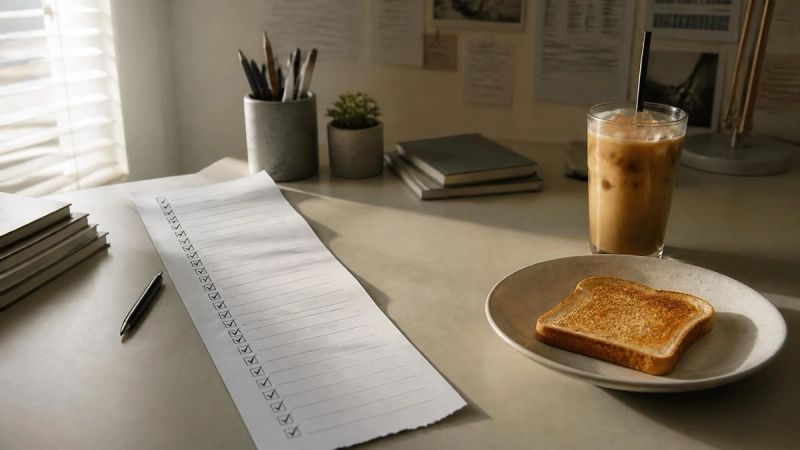
Hypomania is mania with the volume lower. It lasts days rather than weeks, it doesn't usually stop you functioning, and it can make you competent and charming rather than chaotic. St Patrick's Mental Health Services describes it as similar to an episode of elation but milder, often lasting just a few days, with people managing their daily lives as normal.
That's why it goes unseen for years. A hypomanic stretch looks like a productive fortnight: you're ahead on work, sleeping five hours, socialising more, and everyone's impressed. Nothing bad happens, which is exactly the problem. There's nothing to report to a GP, and no reason to mention it in an appointment where you're describing being low.
Because the diagnosis depends on that history, hypomania that nobody records keeps the whole picture hidden. If you've had a period like that, in the last month or the last decade, it belongs in the conversation.

Why the High Is Riskier Than It Feels
Mania rarely hurts you through the feeling itself. It hurts through the decisions.
Money goes first. Spending that feels generous and visionary at the time becomes debt you can't explain afterwards. Work and relationships follow: a resignation sent at midnight, an email to a client, a declaration to a partner, a decision to move country. Driving gets faster. Drinking increases. Sexual risk-taking increases. Sleep disappears, which makes everything else worse, because lost sleep is both a symptom of mania and a trigger for it.
The HSE notes that during a manic phase, extremely positive feelings about yourself can lead to risky actions or unwise decisions with negative consequences for finances, work or relationships. That sentence is doing a lot of quiet work.
What makes this crueller is the aftermath. The person left holding the consequences is the same person who, in the middle of it, felt invincible and sure.
Mixed States and Rapid Cycling
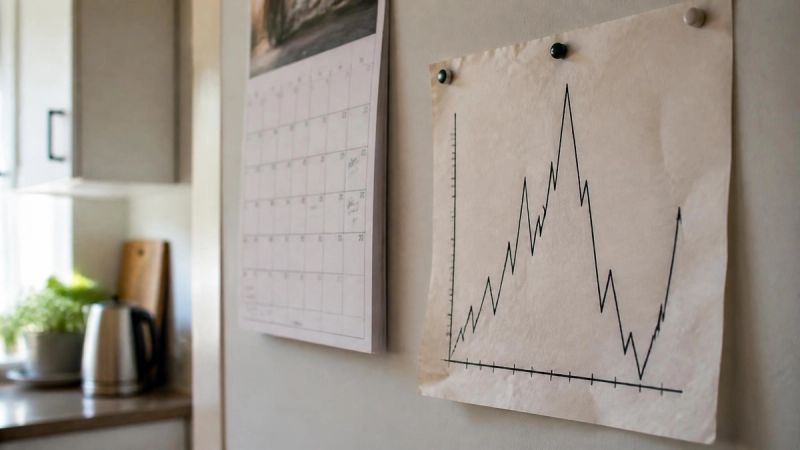
Not every high is a high. In a mixed state, the agitation and the racing energy arrive alongside depression, which produces something genuinely harder to sit with: despair with the engine still running.
A mixed state is more dangerous than either pole on its own, partly because it's harder to read from outside. Someone in a mixed state may look exhausted and disturbed rather than elated, and may have the impulse to act on despair that depression alone often removes.
Rapid cycling is the other pattern worth knowing. Dr Rebecca Lowe, a registrar in psychiatry at St Patrick's Hospital in Dublin, writing in the Hospital Doctor of Ireland, notes that it affects around 10% of people with bipolar illness and involves four or more episodes in a twelve-month period. She also notes that more than 90% of people who have a single manic episode will have a recurrence of mood disturbance in their lifetime, which is why the point of treatment isn't getting through one episode. It's staying well after it.
The Crash That Comes After
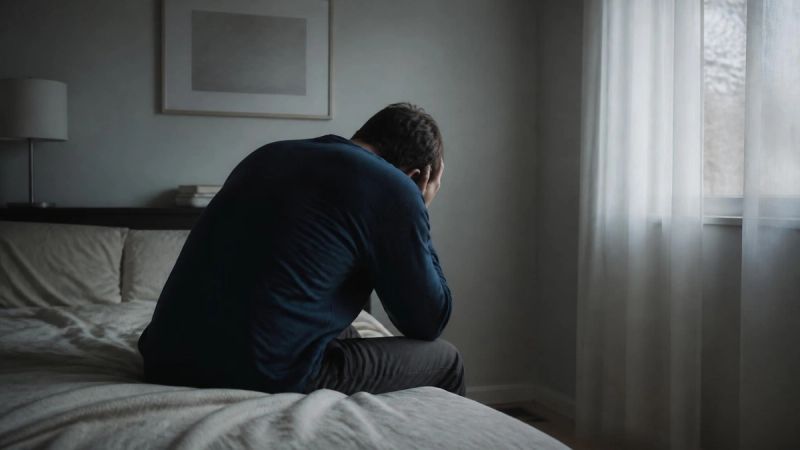
Most episodes end. Some end by drifting back to normal, others by falling off a ledge into depression. Either way there's the reckoning: the bank statements, the messages, the things you said.
Shame arrives here and it's vicious, because the person reviewing the evidence is the same person who genuinely couldn't see straight at the time. Jamison put the humane version of this better than any clinical guidance. "You can do terrible things when manic," she said. "It doesn't mean you are a terrible person."
If you're on the other side of this, having watched someone you love dismantle things while insisting they were fine, the same applies to you. You're allowed to be angry and still be part of the solution. But it helps to name the illness in the room rather than treating it as a character verdict.

Learning Your Own Warning Signs
Wellness Recovery Action Planning, which the HSE lists as part of treatment, exists because bipolar disorder is unusually pattern-based. Most people have a sequence, and it's often the same one each time.
Common early markers include needing less sleep without feeling tired, starting multiple projects at once, becoming unusually irritable with people who don't deserve it, spending more freely, and losing interest in eating. Some people notice a change in how music sounds, or a sudden urge to clean at 2am, or an unshakeable sense of being right about something.
Write yours down while you're well, and give a copy to someone who lives with you. Agree in advance what that person is allowed to say, and what you'd want them to do. It's much easier to negotiate that at baseline than in the middle of an episode, and it's the single most useful thing a family can prepare together.
What to Do If It's Happening Now
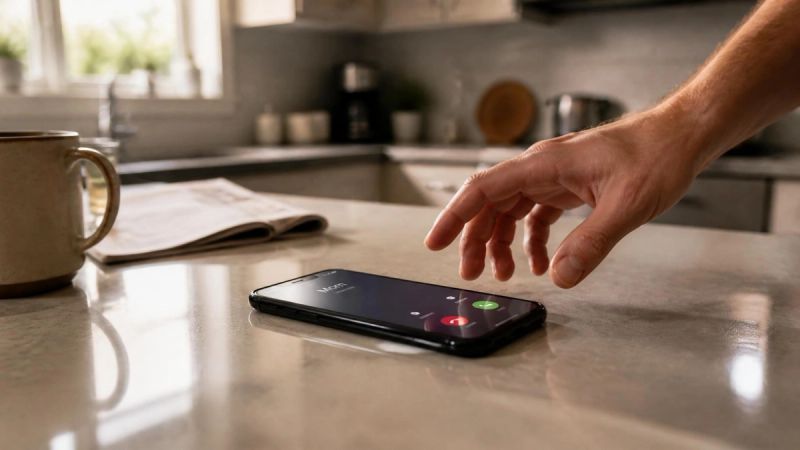
If you're the one in it, the highest-value action is protecting sleep, and the second is telling one person who knows you well. Not a group chat. One person who can say "you're not sleeping and you're talking very fast" without being dismissed.
Contact your GP or your Community Mental Health Team the same day if sleep has gone for several nights, if spending or risk-taking is escalating, or if you're feeling increasingly agitated and can't slow down. If someone is expressing strange beliefs, hearing or seeing things others don't, or behaving in a way that puts them or others at risk, that needs urgent medical attention, and 112 or 999 if there's immediate danger.
Support is available in Ireland without a referral. Shine is on 01 860 1610, Monday to Friday, 9am to 5pm, and supports people with bipolar disorder and their families. Aware's support line is 1800 80 48 48, seven days a week, 10am to 10pm. Samaritans is 116 123, free and open every hour, and Text About It is 50808.
Frequently Asked Questions
Is mania always euphoric?
No. Irritability and agitation are common, and some episodes are dominated by anger rather than elation. A manic episode can be frightening rather than pleasurable, especially in mixed states.
How long does a manic episode last?
Untreated manic episodes typically run for weeks to months rather than hours. Hypomanic episodes are shorter, often a few days, which is part of why they're missed.
Can mania be prevented?
Episodes can often be shortened or avoided with mood stabilising medication, a stable sleep routine and early action on warning signs. That's why the plan matters more than any single decision.
Does feeling great mean I'm becoming manic?
Not on its own. A good mood that survives a full night's sleep, doesn't scramble your judgement and doesn't alarm the people around you is just a good mood. The pattern across days is what counts.
If the highs keep costing you more than they give, or you're watching someone you love go through it, you can get matched with a therapist and work on the pattern with someone who understands that the high is part of the illness, not a personality flaw.
Related Articles
- Bipolar Disorder in Ireland: What It Actually Is
- Am I Bipolar? Why an Assessment Is the Only Answer
- CBT for Insomnia: Why Sleep Comes First
This article is for informational purposes only and does not constitute medical advice. It is not a substitute for assessment by a GP or psychiatrist. If you are in crisis, contact Samaritans on 116 123 (free, 24/7), Text About It on 50808 (free, 24/7), or emergency services on 112 or 999. Aware's support line is 1800 80 48 48, seven days a week, 10am to 10pm. Shine can be reached on 01 860 1610, Monday to Friday, 9am to 5pm.