Anger: The Only Emotion Men Are Allowed

Anger is often the only feeling men are permitted to show. What it's protecting, what it costs at home and at work, and how to work with it without shame.
Ask a man to name what he's feeling and a lot of the time you'll get one answer: angry. Not because anger is the whole story, but because anger is the only channel that was left open.
That's the odd bargain men grow up with. Sadness, fear, shame, loneliness and hurt are all discouraged — but anger is allowed, sometimes encouraged. So it becomes the outlet for everything else. The result is a man who can express one emotion and is quietly drowning in five.
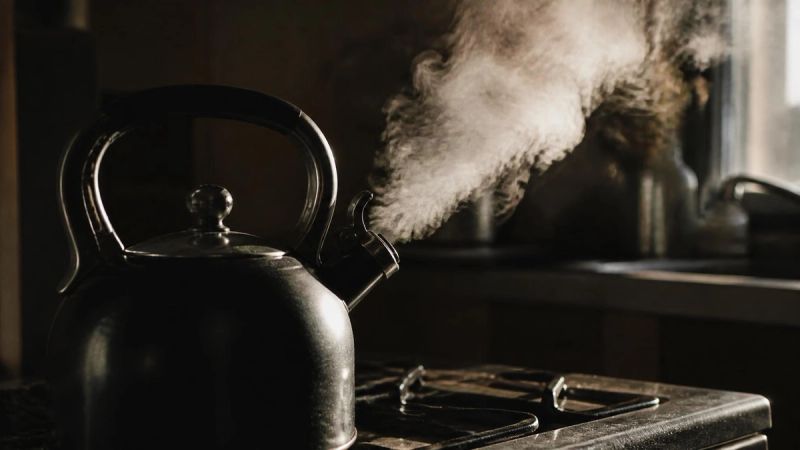
The Permitted Emotion
Watch what happens to a boy who cries at nine and a boy who shouts at nine. The crying boy is told to stop; the shouting boy is told to calm down. Both get corrected, but only one of them learns that his feeling itself was the problem.
By adulthood the pattern is set. Research on men and depression in Ireland describes it directly: male distress is often "suppressed and manifested through more 'acceptable' male outlets, such as alcohol abuse and aggressive behaviour."
Acceptable. That's the word doing the work. Anger isn't a male flaw — it's the one emotion the rules permit, so it carries everything that has no other route out.
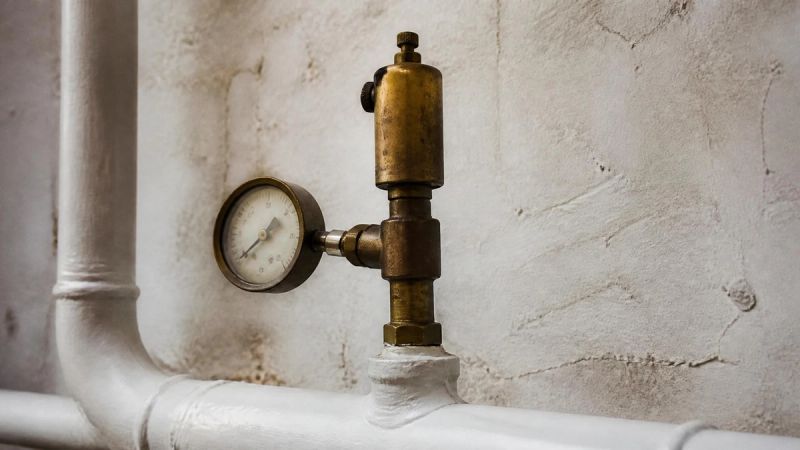
What Anger Is Actually For
Anger isn't a malfunction. It's an alarm with a job: it tells you something is wrong, unfair or threatening, and it gets you moving. In that sense the feeling is useful information arriving loudly.
The problem is what happens after the alarm. Anger that goes nowhere converts into shouting, silence, drinking, driving too fast, or a slow bitterness that seeps into everything. Anger that gets named converts into something you can actually do something about.
Psychotherapist Ciarán Everitt, writing in the Irish Journal of Counselling and Psychotherapy, points at a related problem on the other side of the room: "Many existing models prioritise verbal expression and introspective exploration, which may feel uncomfortable or unfamiliar to men whose emotional engagement is more action-oriented."
So men are handed an emotion that gets them moving, and then offered help that asks them to sit still and describe it. No wonder so many don't engage.

What's Underneath
If you want to know what a man's anger is carrying, look at the situation, not the shouting.
Common underneaths:
- Disrespect or being dismissed — the feeling that your view doesn't count for anything.
- Fear — about money, a job, a diagnosis, a child, a relationship slipping.
- Shame — the sense of being a failure at something you were supposed to be good at.
- Grief — often the one men have least practice with, and the one that turns into irritability years later.
- Exhaustion — sleep debt, long hours, and no recovery time make everything flammable.
- Helplessness — anger feels powerful in a situation where you're actually powerless.
You can test this yourself. Next time the anger arrives, ask one question before you speak: what was I feeling one second before I got angry? The answer is usually the real one.
There's a reason men are bad at that question, and it isn't stupidity. Naming an emotion is a skill, and skills need practice. A man who spent thirty years being told that fear is shameful and sadness is weakness has had no reps at either — while anger, being permitted, has had thousands. He's not choosing anger over sadness. He's fluent in one language and mute in the others.
That matters for how you talk to yourself about it. "I'm an angry man" is a verdict. "I've had no practice at the other feelings" is a starting point, and it's the more accurate one.
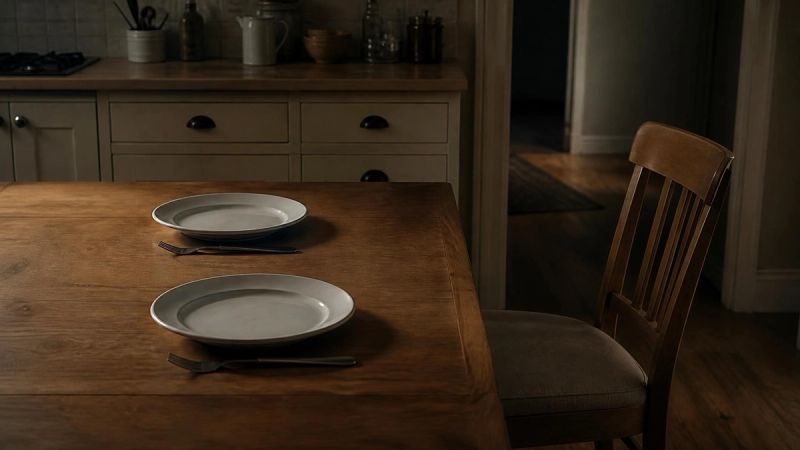
What It Costs at Home
Anger is the emotion that damages relationships fastest, because it's the one that makes other people careful.
A house where a man is irritable doesn't look dramatic from outside. It looks like a family that checks the mood before asking a question. A partner who decides not to raise something. Children who learn to read a door slamming. That's the real cost: not a row, but the slow removal of honesty from a home.
It also costs the man himself. Anger keeps people at a distance, which is what it's designed to do, and distance is exactly what makes the underlying thing worse.
If your anger is frightening someone, that's not a therapy question, it's a safety one — see the section at the end of this piece for where to go in Ireland.
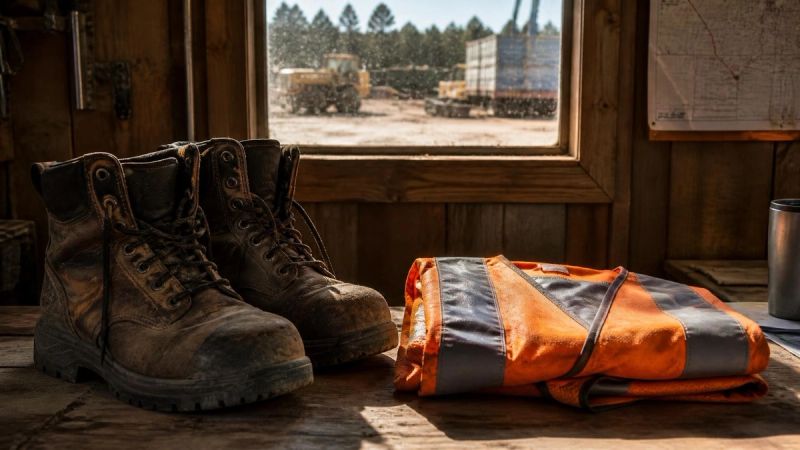
Anger at Work
Work is where male anger is most often rewarded, which is why it hardens there.
The "he's grand, he just has a short fuse" man is often protected by being useful. And in some Irish industries the pressure is structural rather than personal. Noel Richardson of the National Centre for Men's Health points to construction specifically: "long hours, there can be a culture of bullying and hypermasculinity, long commute times, and a diversity of nationalities so language is often a barrier. So it's a complex mix of things." He notes that "suicide in the construction industry is at a higher rate than in other industries."
An environment that rewards hardness and punishes visible strain produces men who only have anger available — and then treats the consequences as an individual failing.
Anger, Drink and Sleep
Three things turn ordinary irritation into something else: alcohol, poor sleep, and unmanaged stress.
Alcohol lowers the brake. Sleep loss lowers the threshold. Stress narrows everything until small problems feel like attacks. None of these are excuses, but they're mechanisms, and they're fixable in a way that "be less angry" isn't.
If you're drinking to take the edge off, that's worth saying out loud to a GP — not as a confession but as information. Our guide to depression in men covers how often anger and low mood arrive together.
What Helps
The evidence on anger is not pessimistic. A review of meta-analyses published in Current Opinion in Psychology found treatments for anger at least moderately effective across general and clinical populations, with cognitive behavioural approaches the most widely used.
What that looks like in practice, for men:
Learn the build. Anger has a physical run-up — jaw, chest, hands, heat. Most men can identify it once they're asked to. Knowing your first signal buys you seconds, and seconds are where the choice lives.
Have a plan, not a resolution. "I won't lose my temper" fails. "When I feel it rising, I leave the room and walk to the end of the road" works, because it's an action rather than a promise.
Say the underneath sentence. "I feel like I'm not being listened to" lands differently from "you never listen". It's also harder, which is why it's worth practising.
Use movement deliberately. Training, walking, hurling, swimming — the physical route out of anger is real and it's why so many men find sport is where they process things. It works better when it's regular rather than emergency-only.
Get help aimed at the underneath. Anger management that only teaches containment tends to bounce back. Therapy that looks at what the anger is protecting tends to hold. Our practical guide to anger management for men in Ireland covers the routes and the approaches.
And a line worth holding onto from Everitt's piece: masculine traits "are often viewed critically, while vulnerabilities in men may be overlooked or dismissed." You're not required to arrive at therapy already good at it.
If Your Anger Is Frightening Someone
This one is different, and it deserves to be said plainly.
If the people you live with are afraid of you, the priority is their safety, not your insight. In Ireland:
- MOVE Ireland (Men Overcoming Violence) runs the free Choices programme for men who have been abusive and want to change their behaviour, with support for partners too. National line: 065 684 8689, moveireland.ie
- Women's Aid — 1800 341 900, 24 hours, for anyone experiencing domestic abuse
- Men's Aid — 01 554 3811, for men experiencing domestic abuse
Taking that step is not an admission that you're a monster. It's the same principle as the rest of this piece: the anger was never the whole story, and someone has to be safe while you work out the rest.
If You Need Help Today
Samaritans — 116 123, free, 24 hours a day. Text About It — 50808, free, 24-hour text support. Pieta — 1800 247 247, free, 24 hours. Emergency — 112 or 999, or your nearest emergency department.
Frequently Asked Questions
Is anger always a mask for something else?
Not always — sometimes something genuinely unjust has happened and anger is the right response. But when the anger is bigger than the trigger, or arrives too often, something else is usually underneath.
Can I get help for anger without a GP referral?
Yes. You can contact a private counsellor or psychotherapist directly in Ireland. A GP is still a good starting point if the anger is severe, new, or linked to alcohol or another condition.
Does anger management mean being told to calm down?
No. Good work looks at triggers, the physical build-up, the thoughts that fuel it, and what the anger is protecting — not at suppressing it.
What if I only get angry at home?
That's common and it's meaningful: home is where the mask comes off. It's worth telling a therapist exactly that, because it changes what the work is.
Related Articles
- Men's Mental Health in Ireland: Why the Silence Isn't Personal
- Depression in Men: When It Looks Like Anger, Work and Drink
- Why Men Don't Talk: How the Silence Is Learned
- Anger Management for Men in Ireland
This article is for informational and emotional support only and does not constitute medical advice. If you are in crisis or having thoughts of suicide, contact Samaritans on 116 123 (free, 24/7), Text About It on 50808 (free, 24/7) or Pieta on 1800 247 247 (free, 24/7), or use 112 or 999 or attend your nearest emergency department.
If the anger is costing you more than it's protecting, you can get matched with a therapist and start with what's underneath rather than what's on top.