Therapy for Divorce and Separation in Ireland: Options and What to Expect

What therapy for divorce and separation actually involves in Ireland, what happens in a first session, how to check a therapist is qualified, and what it costs.
You've found a therapist's website, read the page twice, and closed the tab. Then you've done it again a week later with a different name. Or you've sat in the car outside an appointment and considered driving away, because saying the whole thing out loud to a stranger feels like it might finish you off.
That hesitation isn't a sign you don't need help. It's usually a sign that you're not sure what you're walking into. Most people have never been to therapy, and the idea arrives wrapped in vague images from television, plus a private worry that you'll be judged, or pitied, or told something obvious.
Here's what's actually true. Therapy is a structured conversation with someone trained to do it, and it tends to be more ordinary and more useful than people expect. This guide covers what it involves, what happens in a first session, how to check someone is properly qualified in Ireland, and what it costs.
What Therapy for Separation Actually Is
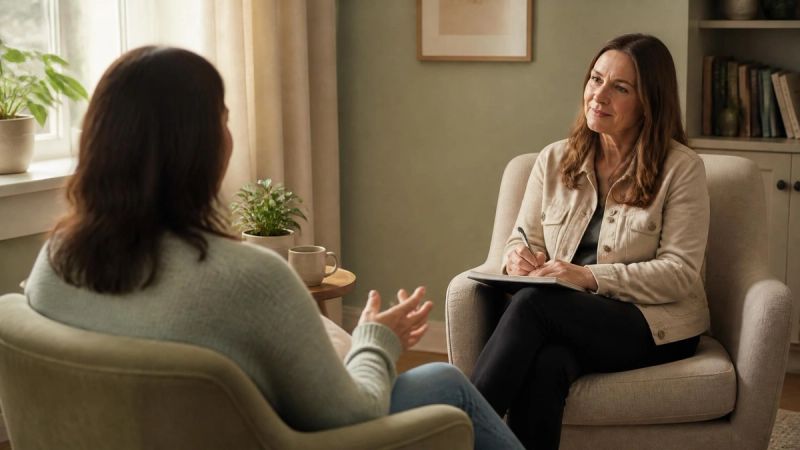
Therapy for separation isn't a single thing. It's a broad category covering work with a counsellor or psychotherapist on whatever the separation has stirred up: grief, anxiety, anger, guilt, lost confidence, sleeplessness, or the practical paralysis of not knowing what to do next.
It differs from legal advice, and it isn't mediation. It doesn't produce a settlement. What it does is give you a regular hour where you can think out loud with someone who isn't involved in your life and won't take sides. That sounds modest until you've spent months being careful about what you say in front of your ex, your children and your family.
There's also a version for couples. Counselling together can help some couples separate with less damage, particularly where children are involved, even when the relationship itself isn't going to continue. It isn't only for couples trying to stay together.
What a First Session Looks Like
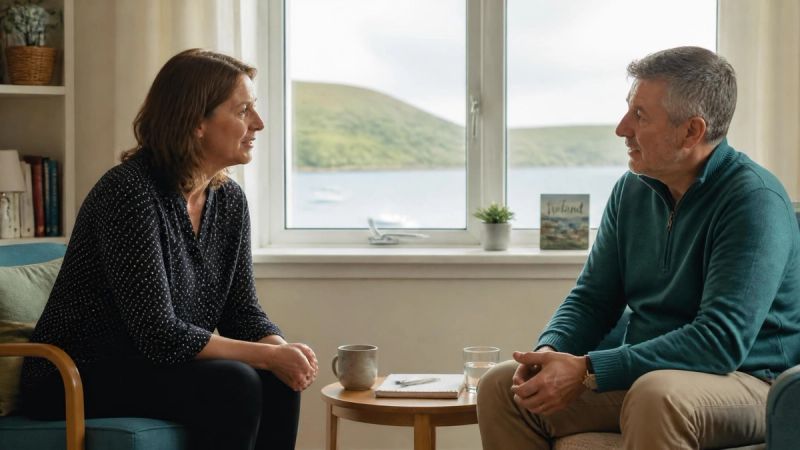
The first session is mostly information gathering, and it's usually the least revealing one. Expect questions about why you're there, what's happened, what you want to be different, and some background about your life and previous experiences of therapy.
Counsellor Tony Moore, who is based in County Laois, described one of the core commitments he makes to clients. Speaking to the Irish Times, he explained: "I emphasise that I do not contact anybody outside the session, and I don't take sides." He added that this "is often a client's biggest fear" — which tells you something about what people are actually worried about when they first sit down.
You can say as much or as little as you like. You can say you don't want to talk about the marriage yet. You can cry, or say nothing for a few minutes, or decide at the end that this particular therapist isn't right for you. None of that is a failure. The relationship between you and the therapist is one of the better predictors of whether the work helps, so it's legitimate to shop around.
Sessions are commonly around 50 minutes and usually weekly to start with. Ask at the outset how many sessions the therapist suggests and how you'll review progress, because open-ended therapy with no review point can drift.

The Main Approaches You'll Come Across
Therapists work in different ways, and the acronyms thrown around can be off-putting. A few worth knowing:
Cognitive behavioural therapy (CBT) is structured and practical, focusing on the link between thoughts, feelings and behaviour. It's often used for anxiety, low mood and worry, and it usually involves work between sessions. If your main difficulty is spiralling thoughts or panic, it's a common choice.
Person-centred or humanistic counselling is less structured and more exploratory. It gives you space to make sense of what's happened without an agenda imposed on you. Many people find this fits grief and identity work well.
Psychodynamic therapy tends to look at patterns that repeat across your life, including how earlier relationships shaped the way you attach to people now. It's often longer term.
Couples or relationship counselling involves both people and focuses on what happens between you rather than on who is at fault.
Most accredited therapists can work with separation, and the approach matters less than fit. If a therapist tells you CBT is the only option for everything, that's worth noticing.
Checking That Someone Is Properly Qualified
Ireland doesn't have a single mandatory licence for all talking therapists, which makes checking more important than people realise. There are, however, recognised accreditation bodies, and a legitimate therapist will be happy to tell you which one they belong to.
The main one for counsellors and psychotherapists is the Irish Association for Counselling and Psychotherapy (IACP), which maintains an accredited register. Psychologists are regulated differently, and the Psychological Society of Ireland (PSI) is the relevant professional body. Many therapists also hold accreditation with UK bodies such as BACP.
Practical checks before you book: does the therapist's website state their accreditation and registration body, and can you verify it on that body's register? Do they say how long they trained and where? Do they have a written contract or policy covering confidentiality and its limits, cancellations and fees?
Confidentiality has narrow, sensible exceptions, typically around serious risk to you or others, and child protection. A good therapist explains those at the start rather than leaving you to worry about them.
What It Costs, and the Cheaper Routes
Private therapy in Ireland is usually paid per session, and fees vary considerably by location, experience and type of therapist. It's a real barrier, and it's worth saying plainly that cost is one of the most common reasons people don't go.
There are lower-cost options. Your GP can refer you to HSE primary care psychology or counselling services, which are free or low cost but usually involve a wait. Some charities and community counselling services offer subsidised sessions, often on a sliding scale based on income. Third-level training institutions sometimes provide reduced-cost sessions with trainee therapists under supervision.
If you're employed, it's worth checking whether an employee assistance programme offers free counselling sessions. Many people never look, and it's one of the few genuinely free routes.
Ask any private therapist directly whether they offer a reduced rate. It isn't rude, and many do.
What the Irish Numbers Show
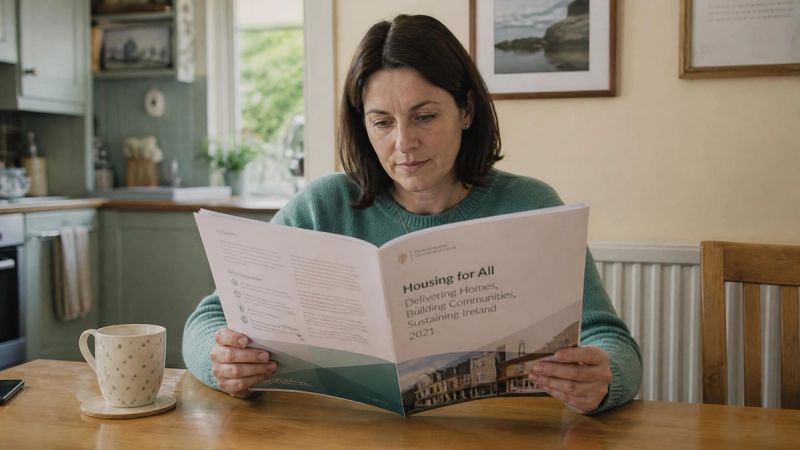
Therapy is more normal than the hesitancy suggests. The IACP's General Public Survey for 2025, carried out by Ipsos B&A with 1,005 Irish adults, found that one in three adults have been to see a counsellor or psychotherapist. Among those who have attended, around 8 in 10 said they would recommend it to a friend or family member who might benefit.
The same survey found that one in five Irish adults often feel anxious, with 58% feeling anxious often or sometimes. In other words, the feelings that bring people to therapy after a separation are close to the national norm, not an outlier's problem.
What Therapy Actually Helps With, and What It Won't Do
It helps with the parts that legal processes can't touch. It can reduce the intensity of anxiety and low mood, help you sleep, give you somewhere to put anger that doesn't damage your relationships, and help you make decisions when your head is full. It can also help you rebuild a sense of yourself outside the marriage, which is often the longest part of the work.
It won't decide whether you should divorce, tell you what your settlement should be, or make another person behave differently. It won't work instantly, and there will be sessions that feel pointless. Most people notice change over weeks rather than in a single hour.
And it isn't only for crisis. Some people come weekly for a year. Others come for six sessions at a difficult point and stop. Both are legitimate uses of it.
Frequently Asked Questions
Do I need a referral to see a therapist in Ireland?
Not for private therapy. You can contact an accredited counsellor or psychotherapist directly and book. A GP referral is usually needed for HSE services, and your GP can also advise on what's available locally.
How long does therapy for separation take?
There's no standard length. Some people find six to twelve sessions enough for a specific difficulty, particularly with a structured approach like CBT. Others stay longer, especially where there's grief, trauma or a lot of identity work to do.
What if I don't like the first therapist?
That's common and it isn't a reason to give up on therapy. The working relationship matters more than the method, so it's reasonable to try one or two others before deciding therapy isn't for you.
Is couples counselling worth it if we've already decided to separate?
For some couples, yes. It can help you communicate through the separation, reduce conflict and protect children from the fallout, even when the relationship is over.
Closing
Therapy after a separation isn't a luxury or an admission that you can't cope. It's a practical way of getting support while you deal with something genuinely difficult, and it's more common than most people assume.
If you've been circling the idea for weeks, the useful next step is small: pick one accredited therapist, send one message, and see how the first session feels. You can also get matched with a therapist who understands what separation involves in Ireland.
If you'd like to read more first, our guide to what separation actually does to you covers the emotional side, and money worries during separation covers the practical side.
Related Articles
- Divorce and Separation in Ireland: A Complete Guide to Coping, Co-Parenting and Rebuilding
- Separation vs Divorce in Ireland: What's the Difference and What It Means for You
- Anxiety During Divorce: Why Your Mind Won't Switch Off
- Who Am I Now? Rebuilding Your Identity After Divorce
This article is for informational purposes only and does not constitute medical or legal advice. If you're concerned about your mental health, speak to your GP. If you are in crisis or having thoughts of ending your life, contact Samaritans on 116 123 (free, anytime) or go to your nearest emergency department.