Menopause Depression: When Low Mood Isn't Just Hormones

Menopause depression is common but often missed in Ireland. Learn why perimenopause causes low mood, how it differs from ordinary sadness, and what support actually helps.
Sinead is 49 and has spent the last six weeks telling herself she's just run down. She's tired in a way that sleep doesn't fix. The things she used to enjoy — meeting friends, her evening walk, even watching a good series — feel flat, like the colour has been turned down. She's been short with her husband and has stopped answering group chats. At 3am she lies awake wondering if this is what the rest of her life will feel like. Her GP asked if she might be depressed, but Sinead isn't sure. Her life is fine. Nothing terrible has happened. It doesn't feel like depression. It feels like something else.
For many women in Ireland, that "something else" is perimenopause.
Low mood and depression are common during the menopause transition, but they are still under-recognised. Department of Health research found that 54% of women going through menopause report mood changes as one of their most intense symptoms. Yet the conversation around menopause tends to focus on hot flushes and night sweats, while the psychological impact is left in the margins.

What Menopause Depression Actually Looks Like
Menopause-related depression doesn't always look like the image most of us carry in our heads. It isn't always crying all day or being unable to get out of bed. For many women, it shows up as a persistent flatness: a sense that nothing is wrong, exactly, but nothing feels good either.
Common signs include:
- Low mood that lasts most of the day, nearly every day
- Loss of interest in activities you used to enjoy
- Fatigue and low energy that rest doesn't fix
- Sleep problems — sleeping too much, too little, or waking early
- Difficulty concentrating or making decisions
- Feelings of worthlessness, guilt, or hopelessness
- Irritability or emotional numbness
- Changes in appetite or weight
What makes it confusing is that many of these symptoms overlap with ordinary perimenopause experiences. Tiredness, sleep disruption, and brain fog can all be caused by hormonal changes alone. But when the low mood persists and starts affecting your relationships, work, or sense of self, it's worth taking seriously.

Why Perimenopause Can Trigger Depression
The hormonal changes of perimenopause affect the brain directly. Oestrogen supports serotonin, dopamine, and norepinephrine — the neurotransmitters that regulate mood, motivation, and pleasure. When oestrogen levels fall and fluctuate, those chemicals can become less stable. The result can be a brain that feels less able to generate joy, motivation, or calm.
Progesterone also matters. It has a calming, mood-stabilising effect, and its decline can leave the nervous system more reactive. Many women find they feel less resilient during perimenopause: the same stressors that they once managed now feel overwhelming.
Then there's the context. Perimenopause often coincides with a life stage that carries genuine losses and pressures: children leaving home, ageing parents, career peaks, relationship strain, and a changing sense of identity. These are real stressors, not imaginary ones. Hormonal vulnerability plus life-stage pressure is a potent combination.
A history of depression increases the risk. Women who have experienced postnatal depression, premenstrual dysphoric disorder (PMDD), or previous depressive episodes are more likely to experience depression during perimenopause. That doesn't mean it's inevitable, but it does mean it's worth watching for.
When It's More Than "Just Menopause"
It's important not to dismiss every low mood as hormonal, and equally important not to blame yourself for feeling low. The question isn't whether your feelings are "real" — they are. The question is whether you need support.
You should seek help if:
- The low mood has lasted more than two weeks
- You're struggling to function at work, at home, or socially
- You have thoughts of self-harm or suicide
- You've withdrawn from people you care about
- Sleep, appetite, or concentration have changed significantly
- You no longer enjoy things that usually bring you pleasure
If you're having thoughts of harming yourself, seek urgent help. Contact your GP, go to your nearest A&E, or call the Samaritans on 116 123. You don't have to manage this alone.
For anyone unsure whether their low mood is hormonal, situational, or clinical depression, a GP assessment is the right starting point. They can check thyroid function, vitamin levels, and other physical causes, and discuss treatment options.

What Actually Helps
The most effective approach to menopause-related depression is usually a combination of medical and psychological support.
HRT. For many women, hormone replacement therapy is the most effective treatment for perimenopausal symptoms, including low mood. Stabilising oestrogen can directly improve the brain chemistry that drives depression. It's not suitable for everyone, and the decision should be made with your GP based on your health history.
Antidepressants. Some women benefit from antidepressant medication, particularly if their depression is severe or if HRT isn't appropriate. Certain antidepressants can also help with hot flushes and sleep problems. Your GP can advise on which option fits your situation.
CBT and therapy. Cognitive behavioural therapy is recommended by NICE for mild to moderate depression and can be especially helpful when low mood is linked to menopause. It helps you challenge negative thought patterns, rebuild activity and pleasure, and develop coping skills. Counselling also provides space to process grief, identity changes, and relationship strain.
Lifestyle foundations. These won't cure depression on their own, but they support recovery:
- Gentle movement, even a short daily walk
- Time outdoors, especially in morning light
- Regular sleep and wake times
- Reducing alcohol, which worsens mood and sleep
- Reconnecting with small pleasures, even if they don't feel rewarding at first
Social connection. Depression thrives in isolation. Telling one trusted person what's happening can break the silence and reduce shame. You don't have to perform wellness for everyone.

Depression, Menopause, and Talking to the People Close to You
One of the hardest parts of menopause depression is explaining it to the people around you. You might not have the words, or you might worry that saying it out loud makes it more real. Partners often notice the withdrawal before they understand the cause. They may feel shut out, confused, or helpless.
You don't owe anyone a full medical explanation. A simple, honest sentence can be enough: "I'm going through perimenopause and it's affecting my mood. I'm not okay at the moment, but I'm getting help." That gives the people who care about you a way to support you without guessing.
At work, you may prefer to keep it private, and that's valid. But if your concentration or attendance is suffering, a brief conversation with a trusted manager or HR contact can open up practical adjustments. The HSE has published guidance for employers on supporting staff through menopause, and awareness is growing in Irish workplaces.
Children may not need detail, but they do need reassurance. A short explanation that you're not feeling like yourself and that you're taking care of it can ease their worry. Depression can make you want to hide, but connection — even awkward, imperfect connection — is part of what helps you recover.
How Therapy Can Support You
Depression during menopause can feel particularly lonely because it doesn't always match the story people expect. You may have a good job, a supportive family, and no obvious reason to feel low. That disconnect can make it harder to reach out.
An accredited therapist can help you:
- Understand whether your depression is linked to hormonal changes, life circumstances, or both
- Challenge the thoughts that keep you stuck in hopelessness
- Rebuild patterns of activity, pleasure, and connection
- Process grief about fertility, youth, or identity changes
- Communicate your needs to partners, family, and employers
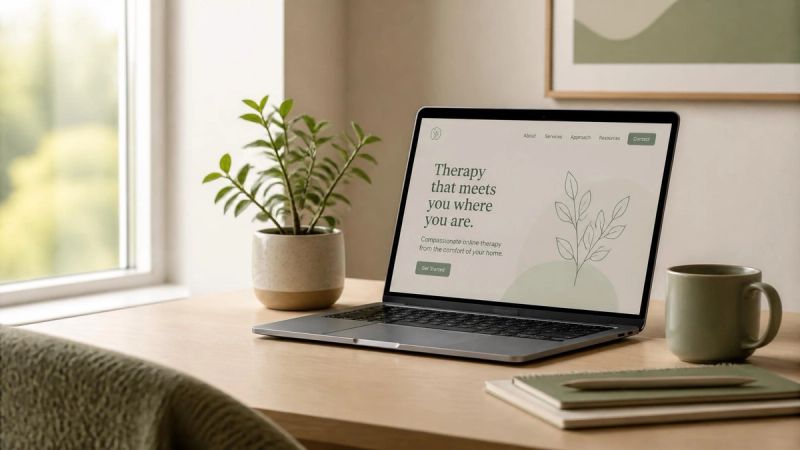
At Feel Better Therapy, you can work with an accredited Irish therapist online, from your own home, at a time that fits around the rest of your life. If you've been feeling low for a while, you can get matched with a therapist who understands depression during menopause.

Frequently Asked Questions
Is depression a normal part of menopause?
Depression is not inevitable, but it is common during perimenopause and menopause. Hormonal changes, sleep disruption, and life-stage pressures all increase the risk. It should be taken seriously and treated.
How do I know if it's menopause or clinical depression?
The symptoms can look very similar. A GP can help determine the cause by taking a full history, checking physical causes, and assessing the severity and duration of your symptoms. Perimenopause-related depression often improves with hormone stabilisation.
Can HRT help with menopause depression?
For many women, yes. HRT can stabilise the hormonal fluctuations that contribute to low mood, particularly when depression is linked to perimenopause. Discuss the risks and benefits with your GP.
Should I try therapy or medication first?
It depends on the severity of your symptoms and your preferences. Mild to moderate depression often responds well to CBT or counselling. More severe depression may need medication, either alone or alongside therapy. Your GP can help you decide.
Related Articles
- What Is Perimenopause? Signs, Symptoms and Mental Health Impact in Ireland
- Menopause Anxiety: Why It Happens and What Helps
- Understanding CBT: How Cognitive Behavioural Therapy Can Transform Your Life
Menopause depression can make you feel like the ground has quietly shifted beneath you. But the low mood you're experiencing has real causes, and that means there are real ways through it. Whether it's HRT, therapy, medication, or a combination, support is available.
This article is part of our complete guide to menopause and mental health in Ireland. If you're ready to talk to someone, you can get matched with an accredited Irish therapist through Feel Better Therapy and take the first step back towards yourself.
This article is for informational purposes only and does not constitute medical advice. If you are in crisis or having thoughts of self-harm, please contact Samaritans Ireland on 116 123, go to your nearest A&E, or contact your GP immediately.