Menopause Anxiety: Why It Happens and What Helps

Menopause anxiety is common in Ireland. Learn why hormonal changes cause anxiety during perimenopause and what treatments, including CBT and therapy, actually help.
Orla is 48 and sitting in the GP waiting room in Cork, scrolling through her phone to stop her hands from shaking. She came in because she thought something was wrong with her heart. For the past three months she's been waking at 4am with her chest tight, mind racing through work deadlines, ageing parents, the mortgage, and whether she left the immersion on. Her periods have become irregular but her GP had previously told her she was "too young" for menopause. Now she is wondering if she's having panic attacks, or if she's simply losing the plot.
If Orla's experience sounds painfully familiar, you're not alone. Anxiety is one of the most common mental health symptoms of perimenopause, and it's often the first one women notice. The good news is that it is real, it is treatable, and it is not a sign that you're broken.

What Menopause Anxiety Actually Feels Like
Menopause anxiety can show up differently from the anxiety you might have experienced in your twenties. It often feels physical first: a racing heart, tight chest, restlessness, light-headedness, or a persistent sense that something bad is about to happen. Many women describe it as a low-level hum of dread that follows them through the day, then spikes into full-blown worry at night.
It can also feel cognitive. You might find yourself catastrophising: assuming the worst about your health, your relationships, or your future. Small decisions feel enormous. Your mind races through scenarios that wouldn't have bothered you a year ago. Some women develop health anxiety during perimenopause, becoming hyper-aware of every physical sensation and fearing serious illness.
According to research from The Menopause Hub's 2025 national survey, 71% of women in Ireland going through perimenopause or menopause report anxiety as a symptom. Yet many are still told to "relax" or offered a prescription without anyone explaining the hormonal connection. That gap between experience and explanation is part of what makes the anxiety so frightening.

Why Hormones Trigger Anxiety
The link between perimenopause and anxiety is biological, not imaginary. Oestrogen supports the production of serotonin, one of the brain's key mood-regulating chemicals. When oestrogen levels fluctuate — which they do constantly during perimenopause — serotonin can dip. That leaves the brain more vulnerable to anxiety and low mood.
Progesterone also plays a role. It has a calming effect on the nervous system, partly because it interacts with GABA, the brain's main inhibitory neurotransmitter. As progesterone declines, many women feel more wired, more reactive, and less able to settle.
Then there's cortisol, the body's stress hormone. Perimenopause often arrives at a life stage already loaded with stress: demanding careers, teenage children, ageing parents, financial pressure, relationship changes. High cortisol plus hormonal fluctuation creates a nervous system that feels permanently switched on.
Sleep disruption makes everything worse. Night sweats, early waking, or racing thoughts at 3am all reduce the brain's capacity to regulate emotion the next day. Anxiety and insomnia become a self-feeding loop.

When Anxiety Might Be Something Else
Not every anxious feeling in your forties is hormonal. It's important to rule out other causes, especially if your anxiety is new, severe, or accompanied by physical symptoms.
Your GP may want to check:
- Thyroid function — an overactive thyroid can mimic anxiety
- Iron and vitamin D levels — deficiencies can affect mood and energy
- Blood pressure and heart health — especially if you're experiencing palpitations
- Medication side effects — some drugs can increase anxiety
- Caffeine and alcohol intake — both can worsen anxiety and sleep
If you've had anxiety before, perimenopause can trigger a relapse or intensify existing symptoms. That doesn't mean you're back to square one. It means your treatment plan may need adjusting for this life stage.

How to Talk to Your GP About Menopause Anxiety
Many women leave the GP feeling dismissed or uncertain. A short appointment isn't always enough to explain the full picture, especially when anxiety is tangled up with hormones, sleep, and life stress. Preparing beforehand can make the conversation more productive.
Start with specifics. Note when the anxiety started, whether it coincides with changes to your periods or sleep, and how it's affecting your daily life. A simple symptom diary over two weeks can be incredibly helpful. Include physical symptoms too: palpitations, hot flushes, night sweats, headaches, or digestive changes.
Ask directly about the menopause connection. You might say: "I'm 47 and my periods have changed. I've also started having anxiety and sleep problems. Could this be perimenopause?" This frames the conversation around hormones rather than presenting anxiety as a standalone mental health issue.
If HRT comes up, ask about the benefits and risks for your situation. If HRT isn't suitable, ask what non-hormonal options are available, including CBT, sleep support, or medication for anxiety. You can also ask for a referral to a specialist menopause clinic if your symptoms are complex or severe.

What Actually Helps
There is no single fix, but there are several evidence-based approaches that work well for menopause-related anxiety.
HRT. For many women, hormone replacement therapy is the most effective treatment for perimenopausal symptoms, including anxiety. By stabilising oestrogen levels, HRT can reduce the hormonal volatility that drives anxiety in the first place. It's not suitable for everyone, and the decision should be made with your GP based on your medical history.
CBT and therapy. Cognitive behavioural therapy is one of the most effective non-hormonal treatments for anxiety. It helps you identify anxious thought patterns, challenge catastrophic thinking, and develop practical coping skills. Research from NICE recommends CBT for anxiety and low mood linked to menopause. You can learn more about how CBT works in our guide to understanding CBT.
Lifestyle foundations. These won't cure anxiety on their own, but they create a steadier nervous system:
- Reduce caffeine, especially after midday
- Limit alcohol — it worsens sleep and anxiety the next day
- Move your body regularly, even if it's just a 20-minute walk
- Prioritise sleep — our guide to what insomnia is explains why sleep matters so much
- Try brief breathing or grounding exercises during anxious spikes
Mindfulness and body-based approaches. Techniques that calm the nervous system directly — such as diaphragmatic breathing, progressive muscle relaxation, or mindfulness — can be especially helpful when anxiety feels physical.

Menopause Anxiety and Your Close Relationships
Anxiety doesn't stay neatly inside your own head. It spills into conversations, decisions, and intimacy. You might find yourself snapping at your partner, avoiding social events, or second-guessing friendships. Many women describe feeling like a worse version of themselves — more irritable, less patient, more withdrawn.
Partners often don't know what's happening. They may interpret your anxiety as criticism, or assume the irritability is directed at them. Children, especially teenagers, can pick up on the tension without understanding the cause. At work, you might hide it entirely, pushing through meetings while your heart races.
Naming what's happening can help. You don't have to share every detail, but a simple explanation such as "I'm going through perimenopause and it's making me more anxious than usual" can reset expectations. It also gives the people close to you a chance to support you rather than walk on eggshells.
If anxiety is affecting your relationship, couples therapy can give you both a space to understand what's changing. For support with workplace anxiety, our article on anxiety in the Irish workplace has practical strategies.
How Therapy Can Support You
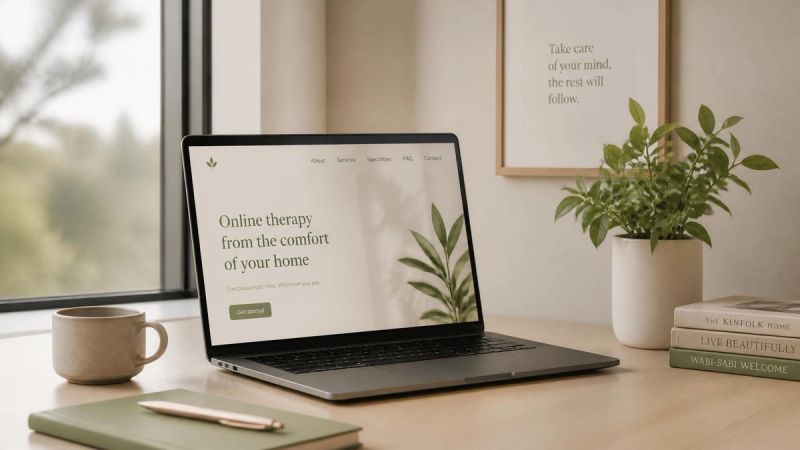
Therapy offers something distinct from GP appointments and online forums: a structured, confidential space to make sense of what you're experiencing and develop tools that actually fit your life.
An accredited therapist can help you:
- Separate hormonal anxiety from real-life worries
- Challenge the catastrophic thoughts that keep you awake at 3am
- Develop coping strategies for hot flushes, sleep disruption, and panic sensations
- Process the identity shifts that often come with this life stage
- Communicate what you need to partners, family, and employers
At Feel Better Therapy, you can work with an accredited Irish therapist online, which means you can get support without sitting in a clinic waiting room when you're already feeling anxious. If this has been building for a while, you can get matched with a therapist who understands anxiety during menopause.

Frequently Asked Questions
Is anxiety a normal symptom of menopause?
Yes. Anxiety is one of the most commonly reported psychological symptoms of perimenopause and menopause. It is caused or worsened by hormonal fluctuations, sleep disruption, and the life-stage pressures that often coincide with this time.
Can HRT help with menopause anxiety?
For many women, yes. HRT stabilises hormone levels and can reduce anxiety, particularly when the anxiety is driven by hormonal fluctuation. Talk to your GP about whether it's appropriate for you.
How is menopause anxiety different from general anxiety?
The symptoms are similar, but menopause anxiety often appears for the first time in a woman's forties or fifties, may feel more physical, and often coincides with other perimenopause symptoms such as irregular periods, sleep problems, or brain fog.
When should I seek therapy for menopause anxiety?
If anxiety is affecting your sleep, work, relationships, or daily functioning, it's worth seeking support. You don't need to be in crisis to benefit from therapy.
Related Articles
- What Is Perimenopause? Signs, Symptoms and Mental Health Impact in Ireland
- Understanding CBT: How Cognitive Behavioural Therapy Can Transform Your Life
- What Is Insomnia? Signs, Symptoms and Causes in Ireland
Menopause anxiety can make you feel like your own mind has turned against you. But the intensity you're feeling has a cause, and that means it has solutions. Whether it's a conversation with your GP about HRT, some practical lifestyle changes, or support from a therapist, you don't have to sit with it indefinitely.
This article is part of our complete guide to menopause and mental health in Ireland. If you're ready to talk to someone, you can get matched with an accredited Irish therapist through Feel Better Therapy and start addressing the anxiety from where you are now.
This article is for informational purposes only and does not constitute medical advice. If you are in crisis, please contact Samaritans Ireland on 116 123 or your GP. For perimenopause and menopause medical guidance, speak with your doctor or visit the HSE menopause overview.