Menopause and Mental Health in Ireland: A Complete Guide

A complete guide to menopause and mental health in Ireland. Understand perimenopause symptoms, anxiety, depression, sleep, HRT, therapy, work, and how to get support.
Menopause is one of the most significant hormonal transitions a woman goes through, yet it is still spoken about quietly, if at all. Many women reach their 40s and 50s with little preparation for what perimenopause and menopause actually involve. In Ireland, thousands of women move through this transition every year while juggling careers, relationships, families, and caring responsibilities. Many do so without clear information, adequate medical support, or anyone to talk to about what they're experiencing.
This guide brings together everything you need to know about menopause and mental health in Ireland. Whether you're just starting to notice changes, you're deep into symptoms, or you're supporting someone you love, the information here is designed to help you feel less alone and more equipped to take the next step.

What Menopause and Perimenopause Actually Are
Menopause is defined as the point when you have not had a period for 12 consecutive months. The average age in Ireland is around 51, but it can happen earlier naturally, surgically, or as a result of medical treatment.
Perimenopause is the transitional period leading up to menopause. It usually begins in your mid-40s but can start earlier. During perimenopause, hormone levels fluctuate dramatically. Oestrogen and progesterone rise and fall unpredictably, causing a wide range of physical and emotional symptoms.
These hormonal shifts affect the brain as well as the body. Oestrogen plays a role in regulating mood, sleep, memory, and stress response. When levels become unstable, it's common to experience anxiety, low mood, irritability, brain fog, and sleep disruption.
Perimenopause can last anywhere from a few months to over a decade. Every woman's experience is different. Some have mild symptoms. Others find the transition genuinely disabling. There is no "right" way to go through menopause, and comparing yourself to others rarely helps.
For a full overview of symptoms and the mental health impact, read our article on what is perimenopause in Ireland.

The Emotional Impact of Menopause
Beyond the physical symptoms, menopause often carries a heavy emotional weight. For many women, it marks the end of fertility, the closing of a chapter, and the beginning of a new identity. Even when children are grown and careers are established, this shift can bring unexpected grief.
Some women feel a sense of loss for their younger selves. Others struggle with feeling invisible in a culture that often values youth. Relationships may change, and long-held roles — mother, partner, daughter, colleague — may need to be renegotiated.
Menopause can also arrive at a time of intense life pressure. Many women in their 40s and 50s are raising teenagers, caring for ageing parents, managing demanding careers, and supporting partners. The combination of hormonal upheaval and external stress can feel overwhelming.
Acknowledging the emotional side of menopause is not self-indulgent. It's accurate. Treating menopause as only a physical event misses half the picture.

Why Mental Health Symptoms Are So Common
The connection between menopause and mental health is not imagined. Hormonal changes directly influence neurotransmitters such as serotonin and dopamine, which regulate mood. At the same time, many women are dealing with major life changes that compound the psychological load.
Common mental health symptoms during menopause include:
- Anxiety and nervous tension
- Low mood or depression
- Irritability and anger
- Mood swings
- Poor concentration and memory problems
- Sleep problems
- Loss of confidence
- A sense of grief, loss, or identity shift
These symptoms can be frightening, especially if they arrive suddenly and without explanation. Many women wonder if they're developing a serious mental health condition. In most cases, the symptoms are linked to hormonal changes and are treatable.
Our article on menopause anxiety explains why anxiety spikes during this transition, while our guide to menopause depression helps distinguish hormonal low mood from clinical depression.

Brain Fog and Cognitive Changes
One of the most distressing symptoms of menopause is brain fog. Women describe feeling mentally slow, forgetful, and unable to focus. Names disappear, words don't come easily, and multitasking becomes overwhelming.
Brain fog during menopause is usually temporary. It is linked to fluctuating oestrogen levels, poor sleep, stress, and anxiety. When sleep improves, hormones stabilise, and stress is managed, cognitive function usually improves too.
It's important to be kind to yourself during this phase. Forgetting a word or losing your train of thought doesn't mean you're losing your competence. Many women find that simplifying their schedule, reducing distractions, and using external memory aids helps them function well while their brain adjusts.
Practical strategies include prioritising sleep, reducing multitasking, using lists and reminders, exercising regularly, and managing stress. If brain fog is severe or persistent, it's worth speaking to a GP to rule out other causes such as thyroid issues, vitamin deficiencies, or sleep disorders.
Read more in our article on perimenopause brain fog.

Sleep Problems and Mental Health
Sleep and mental health are deeply connected. During perimenopause, night sweats, anxiety, and hormonal fluctuations can make restful sleep difficult. Poor sleep then worsens mood, irritability, concentration, and emotional resilience.
Breaking the cycle usually requires addressing both the physical and psychological sides. Cooling the bedroom, avoiding alcohol and caffeine in the evening, and keeping a consistent sleep routine help with the physical side. CBT for insomnia, relaxation techniques, and therapy help with the anxious, racing mind.
Our guide to menopause sleep problems covers practical steps for better rest.

Mood Swings, Irritability, and Anger
Many women are surprised by how angry or irritable they feel during menopause. Small things tip them over the edge. They may feel out of control or ashamed of their reactions.
Irritability during menopause has real biological causes. Hormonal fluctuations affect the stress response and emotional regulation. Lack of sleep, overwhelm, and unmet needs add to the pressure. Understanding this doesn't mean excusing harmful behaviour, but it does help explain what's happening.
If you find yourself snapping at people you love, it can help to name it out loud. A simple apology and explanation — "I'm not sleeping well and my patience is really thin right now" — can reduce tension and invite support rather than conflict.
CBT, mindfulness, stress management, and therapy can all help. Our article on menopause mood swings and irritability offers practical strategies for staying steady.
HRT and Mental Health
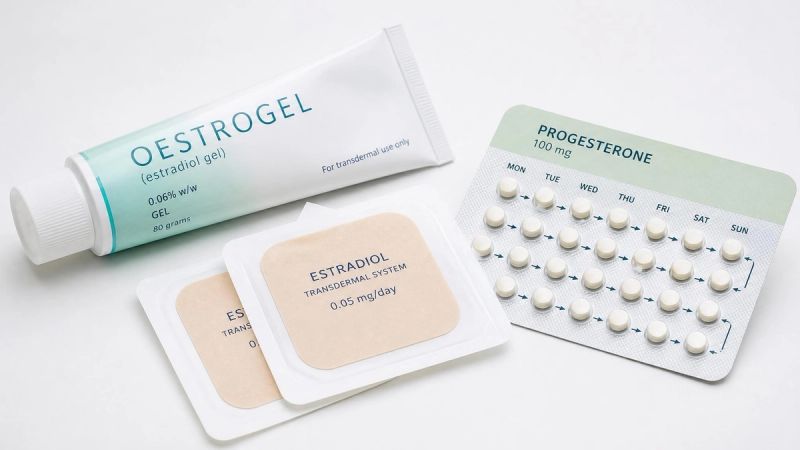
Hormone replacement therapy is one of the most effective treatments for many menopause symptoms. By stabilising oestrogen levels, HRT can reduce anxiety, improve mood, improve sleep, and reduce the physical symptoms that drain mental energy.
HRT is not suitable for everyone. Women with certain medical histories, including some cancers and blood clots, may need alternatives. The decision to use HRT should be made with a GP or menopause specialist, based on individual risks and benefits.
HRT comes in several forms, including tablets, patches, gels, sprays, and vaginal preparations. Transdermal options such as patches and gels may carry a lower risk of blood clots than oral tablets. Your GP can help you choose the most suitable option based on your symptoms, medical history, and preferences.
It's also important to remember that HRT is not a mental health treatment on its own. Therapy and lifestyle changes remain valuable, even when HRT is used. For women who cannot take HRT, non-hormonal medications, CBT, and lifestyle approaches can still make a significant difference.
Learn more in our guide to HRT and mental health.

Therapy for Menopause in Ireland
Whether or not you choose HRT, therapy can be a powerful support during menopause. It provides a space to process change, develop coping skills, and address symptoms such as anxiety, depression, and sleep problems.
Cognitive behavioural therapy is particularly effective. It helps with anxious thinking, low mood, insomnia, and irritability. Counselling offers a more exploratory space to talk through grief, identity changes, and relationship strain.
Online therapy has made support much more accessible across Ireland. You can speak to an accredited therapist from home, without travelling or rearranging work. At Feel Better Therapy, you can get matched with a therapist who understands menopause and mental health.
Read our full guide to therapy for menopause in Ireland.

Self-Care Strategies That Actually Help
Self-care during menopause isn't about bubble baths and expensive retreats. It's about protecting your energy, calming your nervous system, and giving your body the support it needs to rebalance.
Prioritise sleep. Sleep is the foundation of mental health. Keep a consistent bedtime, limit screens in the evening, cool the bedroom, and avoid alcohol and caffeine late in the day. If sleep remains difficult, CBT for insomnia is highly effective.
Move your body. Exercise reduces anxiety, improves mood, supports sleep, and helps manage weight changes. You don't need intense workouts. Walking, swimming, yoga, and strength training all help.
Eat regularly and well. Blood sugar fluctuations can worsen irritability, anxiety, and fatigue. Regular meals with protein, healthy fats, and fibre keep energy steadier. Some women find reducing alcohol, caffeine, and spicy foods helps with hot flushes.
Manage stress intentionally. Chronic stress amplifies menopause symptoms. Build small stress-management habits into your day: breathing exercises, short walks, journaling, or a few minutes of quiet.
Stay connected. Isolation makes everything harder. Stay in touch with friends, join a menopause support group, or talk to a therapist. Connection is one of the strongest protective factors for mental health.
Be realistic. You may not be able to do everything you once did at the same pace. That doesn't mean you're failing. It means you're adapting to a real biological transition.

Menopause at Work
For many women, the workplace becomes one of the hardest places to manage menopause. Hot flushes in meetings, brain fog during presentations, and fatigue from poor sleep can make professional life feel exhausting.
In Ireland, menopause is not covered by standalone employment law, but existing protections apply. The Employment Equality Acts, health and safety obligations, and reasonable accommodation rules can all support women who need adjustments.
Good workplaces are beginning to introduce menopause policies, training for managers, and practical adjustments such as fans, flexible hours, and access to quiet spaces. If your employer doesn't have these supports yet, you can still request adjustments and start the conversation.
Our article on menopause at work in Ireland explains your rights and practical coping strategies.

Supporting a Partner Through Menopause
Menopause affects partners too. Many people feel confused, rejected, or unsure how to help. The person they love may seem different, and the relationship may feel strained.
The best support starts with believing her experience, listening without trying to fix everything, and being patient with mood changes. Practical help at home, flexibility with plans, and open conversations about intimacy all make a difference.
It's also important for partners to look after themselves. Resentment builds when one person's needs are constantly overlooked. Therapy, individually or as a couple, can help both people navigate the transition together.
Read our practical guide for supporting your partner through menopause.

When to Seek Help
You don't have to wait until things feel unbearable to seek support. It's worth speaking to a GP or therapist if:
- Your mood or anxiety is affecting daily life
- Sleep problems have become chronic
- You're struggling at work or in relationships
- You feel hopeless, numb, or unlike yourself
- You're having thoughts of self-harm
- Your symptoms are getting worse rather than better
In Ireland, your GP is the first point of contact for medical support. For mental health support, you can also access therapy privately or through services such as Feel Better Therapy.
Many women wait too long to seek help because they assume their symptoms are "just menopause" or because they've been dismissed in the past. If your concerns are not taken seriously, you have the right to ask for a second opinion, request a referral to a menopause specialist, or seek support elsewhere. Trust your own experience. You know your body and mind better than anyone.
If you are in crisis, contact the Samaritans at 116 123 or your local emergency services.

Building a Menopause Toolkit
There's no single fix for menopause, but combining approaches usually works best. A good menopause toolkit might include:
- Accurate information from trusted sources
- A supportive GP or menopause specialist
- HRT or other medical treatment if appropriate
- Therapy or counselling for the emotional side
- Sleep hygiene and stress management practices
- Regular movement and nourishing food
- Connection with friends, partners, or support groups
- Workplace adjustments if needed
- Compassion for yourself
Menopause is a transition, not a failure. With the right support, many women come through it feeling clearer, calmer, and more themselves than they have in years.

Frequently Asked Questions
How long does perimenopause last?
Perimenopause typically lasts between four and eight years, though it varies. Symptoms often peak in the final year or two before menopause.
Can menopause cause depression?
Menopause can trigger or worsen low mood and depression, especially in women with a history of mental health difficulties. Hormonal changes, sleep disruption, and life stress all play a role.
Is HRT safe?
For most women under 60, the benefits of HRT outweigh the risks. Individual risk depends on age, medical history, and the type of HRT. Speak to your GP.
Can therapy really help with menopause symptoms?
Yes. Therapy, especially CBT, can help with anxiety, low mood, sleep, irritability, and coping with the emotional impact of menopause.
Where can I get menopause support in Ireland?
Start with your GP. You can also access accredited online therapy through Feel Better Therapy, menopause support groups, and resources such as the Irish Menopause Society.
What if my GP doesn't take my symptoms seriously?
This is frustratingly common. Bring a symptom diary, ask directly about HRT or referral options, and consider seeking a second opinion. If your mental health is severely affected, therapy can provide support while you advocate for medical care.
Can lifestyle changes really make a difference?
Yes. Sleep, movement, nutrition, stress management, and social connection all affect how menopause symptoms feel. Lifestyle changes may not replace medical treatment, but they can significantly improve quality of life.
How do I talk to my partner about menopause?
Choose a calm moment, be honest about what you're experiencing, and tell them what kind of support you need. Our guide for partners supporting someone through menopause can be a useful shared read.

Explore the Cluster
This guide is part of a larger series on menopause and mental health in Ireland:
- What Is Perimenopause? Signs, Symptoms and Mental Health Impact
- Menopause Anxiety: Why It Happens and What Helps
- Menopause Depression: When Low Mood Isn't Just Hormones
- Perimenopause Brain Fog: Why You Can't Think Straight
- Menopause Sleep Problems: Breaking the Night Sweat–Insomnia Cycle
- Menopause Mood Swings and Irritability: What's Normal and What Helps
- HRT and Mental Health: What to Know Before You Decide
- Therapy for Menopause in Ireland: CBT, Counselling and Online Support
- Menopause at Work in Ireland: Your Rights and How to Cope
- Supporting Your Partner Through Menopause: A Practical Guide
Menopause and mental health are deeply connected, but they are also manageable. Whether your symptoms are mild or overwhelming, you deserve accurate information, respectful medical care, and emotional support. You don't have to figure it out alone.
This cluster has covered the full landscape: from understanding perimenopause and managing anxiety, depression, brain fog, sleep problems, and mood swings, to considering HRT, finding therapy, navigating work, and supporting partners. Each article is designed to stand alone, but together they offer a comprehensive map of menopause mental health in Ireland.
The most important message is this: what you're experiencing is real, common, and treatable. You are not too young, too old, too sensitive, or too much. You are going through a significant biological transition, and you deserve support that meets you where you are.
If you're ready to speak with someone, you can get matched with an accredited Irish therapist through Feel Better Therapy. Online therapy means you can access support from home, at a time that works for you.