HRT and Mental Health: What to Know Before You Decide

HRT can affect mental health during menopause. Learn how hormone replacement therapy may help anxiety, low mood, and sleep, and what to discuss with your GP in Ireland.
Aoife is 48 and sitting across from her GP in Limerick, holding a leaflet about hormone replacement therapy that she doesn't fully understand. She's heard conflicting things. One friend says HRT transformed her mood. Another says it's dangerous. Aoife's own anxiety and sleep have become unbearable, but she doesn't want to take unnecessary risks. What she wants is clear, balanced information so she can make a decision that feels right for her.
If you're trying to figure out whether HRT is right for your mental health during menopause, you're not alone. It's one of the most common questions women bring to their GP during perimenopause, and the answer is rarely simple.
This article won't tell you what to do. Only you and your doctor can make that decision. But it will explain how HRT can affect mental health, what the current evidence suggests, and what questions are worth asking before you decide.
What HRT Actually Is
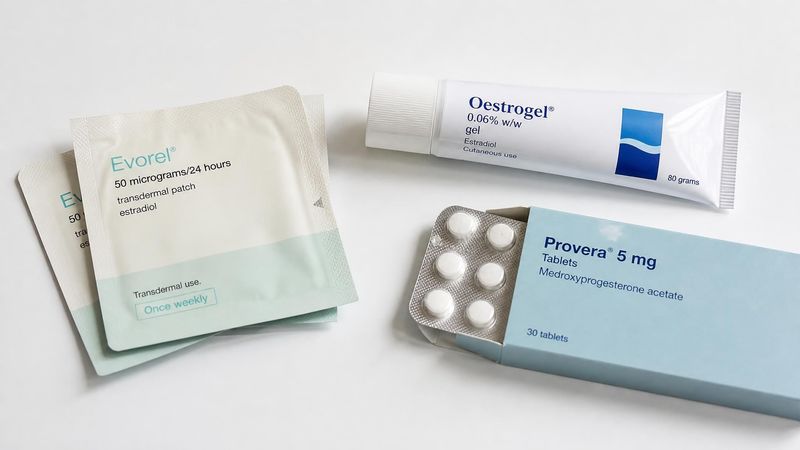
Hormone replacement therapy, or HRT, replaces the hormones your body is producing less of during perimenopause and menopause. The two main hormones used are oestrogen and progesterone. Testosterone is sometimes used too, though this is less common and not licensed for all uses in Ireland.
Oestrogen is the hormone most responsible for easing menopause symptoms. Progesterone is added for women who still have a womb, because oestrogen on its own can thicken the lining of the womb. Together, they aim to restore some of the hormonal balance the body has lost.
HRT comes in several forms: tablets, patches, gels, sprays, and vaginal preparations. The right type and dose depend on your symptoms, medical history, age, and whether you've had a hysterectomy. Your GP or menopause specialist will help you find the most suitable option.
In Ireland, HRT is available through your GP on the medical card, drug payment scheme, or privately. Some GPs have a special interest in menopause and may offer more tailored prescribing. If your GP doesn't feel confident managing complex menopause symptoms, they can refer you to a specialist menopause clinic, although waiting times vary around the country.

How HRT Can Affect Mental Health
The mental health benefits of HRT are closely tied to its physical benefits. Many of the psychological symptoms of perimenopause — anxiety, low mood, irritability, sleep problems — are driven or worsened by hormonal fluctuations. By stabilising oestrogen levels, HRT can reduce that volatility.
For some women, HRT leads to:
- Reduced anxiety and nervous tension
- Improved mood and emotional stability
- Better sleep, especially when night sweats are a problem
- Less irritability and fewer mood swings
- Improved concentration and mental clarity
Research supports these effects. Studies have found that HRT can improve mood and quality of life for women going through the menopause transition, particularly when symptoms are clearly linked to hormonal changes. The benefits are often most noticeable in women who start HRT during perimenopause rather than many years after menopause.
However, HRT is not an antidepressant. It doesn't treat clinical depression on its own, and it isn't the right choice for everyone. Some women may still need therapy, antidepressants, or other treatments alongside HRT.

When HRT May Be Particularly Helpful
HRT tends to be most effective for mental health symptoms when:
- Your psychological symptoms started or worsened as your periods became irregular
- You have other clear menopause symptoms such as hot flushes, night sweats, or sleep problems
- Your symptoms fluctuate with your cycle
- You don't have medical reasons to avoid HRT
- You're relatively young, typically under 60 or within ten years of your last period
For women in this group, HRT can address the root hormonal cause of their symptoms rather than just managing the surface effects. That doesn't mean it's a magic solution. But it can be a powerful part of the picture.
Our articles on menopause anxiety, menopause depression, and menopause sleep problems explain how hormonal changes drive these specific symptoms.

When HRT May Not Be Suitable
HRT isn't appropriate for everyone. Your GP may advise against it or use caution if you have:
- A history of breast cancer, ovarian cancer, or womb cancer
- A history of blood clots or a clotting disorder
- Untreated high blood pressure
- Liver disease
- A history of stroke or heart attack
- A history of certain types of migraine
- Unexplained vaginal bleeding
Some types of HRT carry different risk profiles. Transdermal HRT, such as patches, gels, and sprays, may carry a lower risk of blood clots than oral tablets. This is why individualised medical advice matters so much.
If HRT isn't suitable for you, there are other options. Non-hormonal medications, CBT, lifestyle changes, and therapy can all help manage mental health symptoms during menopause.

The Risk Conversation
No medical treatment is risk-free, and HRT is no exception. The key is understanding the risks in context and making a decision based on your own health profile.
For most women under 60, the benefits of HRT outweigh the risks. The small increase in breast cancer risk associated with combined HRT is similar to the risk increase from drinking a couple of glasses of wine a night or being overweight. For women who take oestrogen-only HRT because they've had a hysterectomy, the risk is lower.
Blood clot risk is higher with oral HRT than with transdermal options. For women with a higher baseline risk of clots, patches, gels, or sprays are usually preferred.
The important point is that these conversations should be individual. Your age, family history, personal medical history, and symptoms all affect the risk-benefit calculation. A good GP or menopause specialist will walk you through this rather than giving a one-size-fits-all answer.
Questions to Ask Your GP
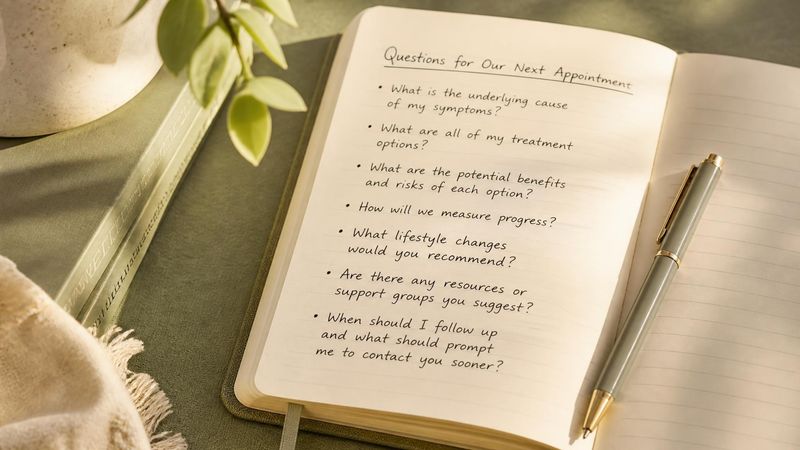
If you're considering HRT for mental health symptoms, here are some useful questions:
- Do my symptoms sound like they're linked to perimenopause?
- Am I a good candidate for HRT based on my medical history?
- Would transdermal HRT be better for me than tablets?
- How long might I need to take HRT?
- What should I do if my symptoms don't improve?
- If HRT isn't right for me, what are my alternatives?
- Should I also see a therapist or consider CBT?
Bring a symptom diary if you can. Note when your symptoms started, how they fluctuate, and how they're affecting your daily life. This helps your GP see the full picture and make a more informed recommendation.
If You Decide to Try HRT
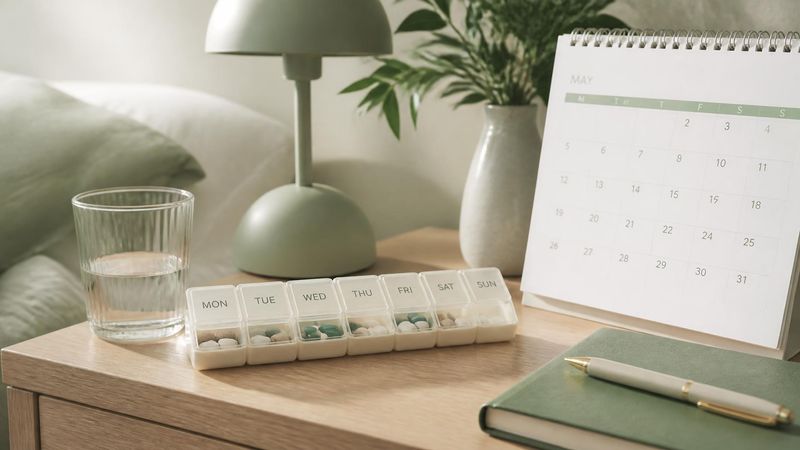
If you and your GP agree that HRT is worth trying, it's helpful to know what to expect.
Improvements in mental health symptoms often take a few weeks to become noticeable. Some women feel better within days, especially for sleep and hot flushes. Mood benefits may take longer. Your GP will usually review you after three months to assess how you're responding.
The dose and type may need adjusting. Not every formulation suits every woman. If one option doesn't help or causes side effects, another might work better.
HRT is not usually meant to be taken forever. Many women use it for a few years while they transition through menopause, then taper off gradually under medical supervision. The length of treatment depends on your symptoms, age, and risk profile.
How Therapy Fits In
Whether or not you choose HRT, therapy can be a valuable part of managing your mental health during menopause. HRT addresses the hormonal piece. Therapy addresses the psychological piece: the anxiety, the identity changes, the relationship strain, and the grief that often comes with this life stage.
Cognitive behavioural therapy can help with anxiety, low mood, sleep problems, and catastrophic thinking. Counselling can provide a space to process the emotional impact of menopause and rebuild your sense of self.
At Feel Better Therapy, you can work with an accredited Irish therapist online. If you're navigating decisions about HRT, symptoms, and your mental health, you can get matched with a therapist who understands the menopause transition.

Frequently Asked Questions
Can HRT help with anxiety and depression during menopause?
For many women, yes. HRT can reduce anxiety, stabilise mood, and improve sleep by addressing the hormonal fluctuations that drive these symptoms. It is not an antidepressant, but it can be an important part of treatment.
How quickly does HRT work for mental health symptoms?
Some women notice improvements in sleep and hot flushes within days or weeks. Mood benefits may take several weeks to become clear. Your GP will usually review your progress after about three months.
Is HRT safe for everyone?
No. HRT isn't suitable for women with certain medical histories, including some cancers, blood clots, and liver disease. Your GP will assess your individual risk profile.
What if I can't take HRT?
There are alternatives, including non-hormonal medications, CBT, lifestyle changes, and therapy. Your GP can discuss the options that best fit your situation.
Related Articles
- What Is Perimenopause? Signs, Symptoms and Mental Health Impact in Ireland
- Menopause Anxiety: Why It Happens and What Helps
- Menopause Depression: When Low Mood Isn't Just Hormones
Deciding whether to try HRT is a personal choice that deserves careful conversation with your GP. There's no universally right answer. What matters is that you have accurate information, a clear sense of your own risks and benefits, and support for the mental health side of the transition.
If you'd like to talk through the emotional impact of menopause while you make decisions about treatment, you can get matched with an accredited Irish therapist through Feel Better Therapy.
This article is for informational purposes only and does not constitute medical advice. Decisions about HRT should always be made with a qualified GP or menopause specialist based on your individual medical history.