Therapy for Menopause in Ireland: CBT, Counselling and Online Support

Find therapy for menopause in Ireland. Learn how CBT and counselling help with anxiety, low mood, sleep, and identity changes during perimenopause and menopause.
Deirdre is 51 and lives in Galway. Her GP has suggested HRT, which she's considering, but she also knows that her anxiety, grief, and changing sense of self won't be solved by hormones alone. She wants someone to talk to — someone who won't dismiss her symptoms as "just menopause" and who understands how much her life is shifting.
If that sounds familiar, you're not alone. Many women in Ireland reach perimenopause and realise they need more than medical treatment. They need a space to process what is happening, learn practical coping skills, and rebuild confidence in themselves. That's where therapy can help.
This article explains the therapy options available for menopause-related mental health in Ireland, what CBT and counselling can offer, how online therapy works, and how to find the right therapist for this stage of life.

Why Therapy Matters During Menopause
Menopause is often framed as a physical event, but the psychological impact can be just as significant. Hormonal changes can trigger or worsen anxiety, low mood, irritability, and sleep problems. At the same time, many women are dealing with:
- Children leaving home or changing family roles
- Career pressure or ageism at work
- Relationship strain
- Caring for ageing parents
- Grief for fertility, youth, or a former identity
- A sense of invisibility or loss of confidence
These layers don't respond to a single solution. HRT can help with the hormonal side. Therapy helps with the emotional, cognitive, and relational side. Together, they can give you a fuller kind of support.
Our article on what is perimenopause explains the biological changes, while our pieces on menopause anxiety, menopause depression, and menopause mood swings explore the mental health symptoms therapy can address.
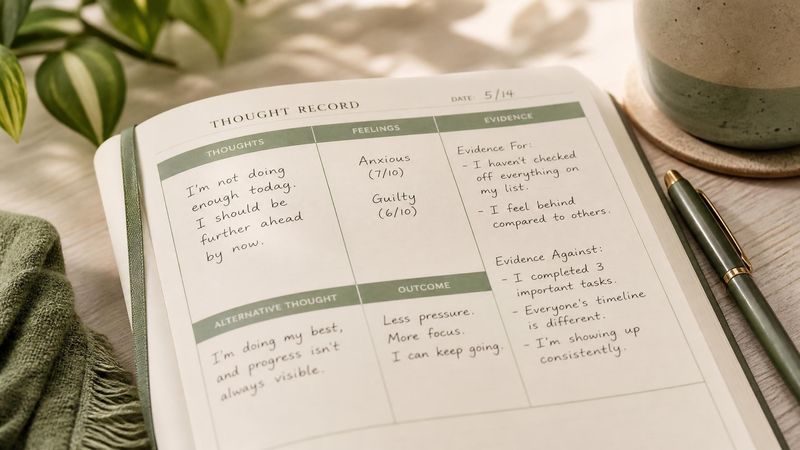
CBT for Menopause Symptoms
Cognitive behavioural therapy, or CBT, is one of the most effective talking therapies for menopause-related mental health. It focuses on the connection between thoughts, feelings, and behaviours, and it gives you practical tools you can use day to day.
CBT can help with:
Anxiety and worry. CBT teaches you to notice anxious thoughts, question catastrophic predictions, and reduce the behaviours that keep anxiety going, such as avoidance or constant checking.
Low mood. Behavioural activation, a core CBT technique, helps you re-engage with activities that give you a sense of pleasure or accomplishment, even when motivation is low.
Sleep problems. CBT for insomnia is the recommended first-line treatment for long-term sleep issues. It addresses the thoughts and habits that maintain poor sleep, rather than relying on medication.
Hot flushes and night sweats. CBT-based approaches can reduce how much these symptoms bother you, even if their frequency doesn't change completely. Learning to manage the psychological reaction can make a real difference.
Irritability and anger. CBT helps you identify triggers, pause before reacting, and choose responses that match your values rather than your immediate emotional state.
CBT is structured, goal-focused, and usually short-term. Many women notice meaningful improvement within 8 to 12 sessions.

Counselling for the Emotional Side
While CBT is practical and skills-based, counselling tends to be more exploratory. It gives you space to talk through the emotional impact of menopause without being rushed toward a solution.
Counselling can help if you're experiencing:
- Grief or loss related to fertility, identity, or ageing
- Relationship difficulties
- Low self-esteem or a sense of becoming invisible
- Loneliness or disconnection
- Uncertainty about the future
- Difficulty adjusting to a changing body
A counsellor won't tell you what to feel or how to fix things. Instead, they'll help you process your experience, understand your patterns, and find your own way forward. For many women, this kind of supportive, non-judgemental space is exactly what's been missing.
Counselling can also help you navigate practical decisions, such as whether to start HRT, how to talk to your partner, or how to manage changing responsibilities at work. It offers continuity during a time when everything else can feel unpredictable.

Online Therapy: How It Works in Ireland
Online therapy has made it much easier to access support, especially if you live outside Dublin, Cork, or Galway, or if your schedule makes in-person appointments difficult. You can speak to an accredited therapist from your own home, usually by video call, at a time that suits you.
The benefits of online therapy during menopause include:
- No travel time or childcare arrangements
- Access to therapists who specialise in menopause or women's mental health
- Flexibility around work, caring responsibilities, or fluctuating energy levels
- Privacy and comfort in your own space
- Continuity of care even if you travel or relocate
In Ireland, online therapy is provided by accredited psychologists, counsellors, and psychotherapists. When choosing a service, check that the therapists are registered with a recognised body such as the Psychological Society of Ireland, the Irish Association for Counselling and Psychotherapy, or the Irish Association of Humanistic and Integrative Psychotherapy.
You can also ask your GP about referral options. Some public services offer psychology or counselling, though waiting lists can be long. Private therapy is typically faster to access. Costs vary, and some health insurance plans in Ireland cover a limited number of sessions. If cost is a concern, some therapists offer reduced rates or sliding scales.
At Feel Better Therapy, all therapists are accredited and experienced. You can get matched with a therapist who understands menopause and can work with you online, wherever you are in Ireland.

How to Know If Therapy Is the Right Step
There's no perfect moment to start therapy. But some signs suggest it could help now:
- Your mood or anxiety is affecting work, relationships, or daily life
- You're relying on alcohol, overworking, or withdrawing to cope
- Sleep problems are becoming chronic
- You feel like you've lost a sense of who you are
- You're avoiding things you used to enjoy
- You keep telling yourself you "should" be able to handle it alone
If any of these sound familiar, therapy can give you support sooner rather than later. You don't need to be in crisis to benefit. Many women start therapy during menopause simply because they want to feel more like themselves again.

What to Look for in a Therapist
Not every therapist will have specific experience with menopause, and that's okay. But it helps to find someone who:
- Takes your symptoms seriously and doesn't dismiss them as "just hormones"
- Has experience with anxiety, depression, sleep problems, or life transitions
- Understands the hormonal and physical context of menopause
- Works in a way that feels collaborative, not directive
- Makes you feel heard within the first session or two
You can ask potential therapists directly about their experience with menopause-related issues. A good therapist will be happy to answer and will respect that you're trying to find the right fit.
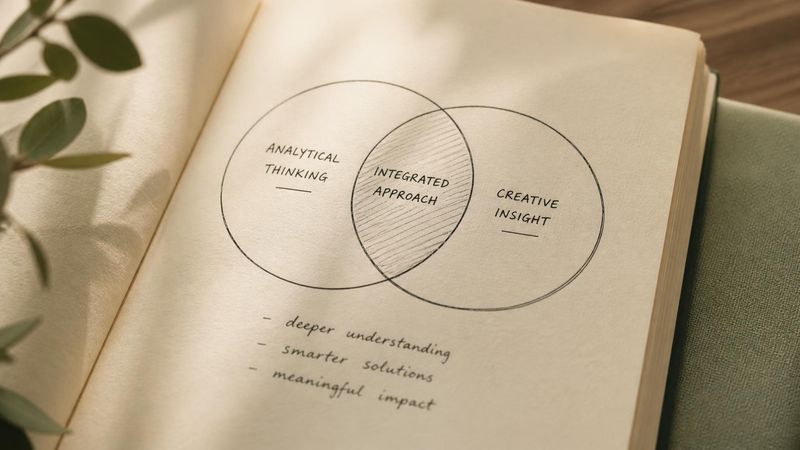
Therapy, HRT, or Both?
This isn't an either-or decision. Many women benefit from a combination of approaches.
HRT can address the hormonal fluctuations that drive symptoms such as hot flushes, sleep disruption, and some mood changes. Therapy can help you manage the psychological impact, develop coping skills, and process the emotional transitions that come with this life stage.
Your GP can advise on HRT and other medical treatments. A therapist can support the mental health side. When both work together, the results are often stronger than either approach alone.
Our article on HRT and mental health explains the medical side in more detail.

What to Expect in Your First Session
It's normal to feel unsure before starting therapy. Knowing what to expect can make it easier.
In the first session, your therapist will usually ask about what brought you to therapy, your current symptoms, your history, and what you'd like to get from the work. You don't need to have everything figured out. You can simply say, "I'm struggling with menopause and I don't feel like myself."
From there, you and your therapist will agree on goals and a rough plan. In CBT, that plan will be structured and skills-based. In counselling, it may be more open-ended. Either way, you should feel like an active participant in the process.

Frequently Asked Questions
Is therapy effective for menopause symptoms?
Yes. Therapy, especially CBT, is effective for anxiety, low mood, sleep problems, and irritability during menopause. Counselling can also help with grief, identity changes, and relationship strain.
Can I do therapy alongside HRT?
Absolutely. Many women use both. HRT addresses hormonal causes, while therapy addresses the psychological and emotional impact.
How do I find a menopause-informed therapist in Ireland?
Look for accredited therapists with experience in women's mental health, anxiety, depression, or life transitions. Online therapy services like Feel Better Therapy can match you with a therapist who understands menopause.
How long does therapy usually last?
CBT is often short-term, around 8 to 12 sessions. Counselling may be longer-term, depending on your goals. You can discuss this with your therapist at the start.
Related Articles
- HRT and Mental Health: What to Know Before You Decide
- Menopause Anxiety: Why It Happens and What Helps
- Menopause Depression: When Low Mood Isn't Just Hormones
Menopause can feel like a disruption, but it can also be a chance to understand yourself more deeply and build new coping skills. You don't have to navigate it alone. Whether you're struggling with anxiety, low mood, sleep, identity, or relationships, therapy can provide practical support and a space to be heard.
The right therapist won't minimise what you're going through. They'll help you make sense of it and develop tools that work for your life.
If you'd like to speak with an accredited Irish therapist who understands menopause, you can get matched online through Feel Better Therapy.