Menopause at Work in Ireland: Your Rights and How to Cope

Menopause at work in Ireland can be challenging. Learn about your employment rights, reasonable accommodations, and practical coping strategies for symptoms at work.
Fiona is 49 and works in HR for a tech company in Dublin. Most mornings she arrives at the office already exhausted from broken sleep. She has her own private fan, a change of clothes in her drawer, and a carefully rehearsed explanation ready for when a hot flush hits during a meeting. She hasn't told her manager the real reason she's struggling. She's worried it will affect how she's seen, or that she'll be labelled as difficult.
Fiona's experience is common. For many women in Ireland, the workplace becomes one of the hardest places to manage menopause symptoms. The temperature, the meetings, the deadlines, and the expectation to keep performing all add pressure. But menopause at work is not just a personal issue. It's a workplace issue, and there are practical steps and rights that can help.
This article covers what you can do if menopause is affecting your work, what employers in Ireland should be doing, and how to protect your wellbeing while staying in your role.

How Menopause Shows Up at Work
Menopause symptoms don't stay at home at all. They follow you into the office, the shop floor, the classroom, or the car. Common workplace challenges include:
Hot flushes and sweating. Open-plan offices, uniforms, and poorly ventilated rooms can make hot flushes embarrassing and distracting.
Brain fog and memory issues. You might lose your train of thought mid-sentence, forget names, or struggle to find words in presentations.
Fatigue. Poor sleep can leave you drained, affecting concentration, patience, and productivity.
Anxiety and low confidence. You might second-guess yourself, avoid speaking up, or worry that colleagues have noticed a change.
Mood swings and irritability. Work stress can feel harder to manage, and interactions with colleagues may feel more charged.
Heavy or unpredictable periods. For women in perimenopause, bleeding can be difficult to manage, especially in roles without easy access to toilets or breaks.
These symptoms are real, common, and treatable. They are also not a reflection of your competence.
Your Rights in Ireland
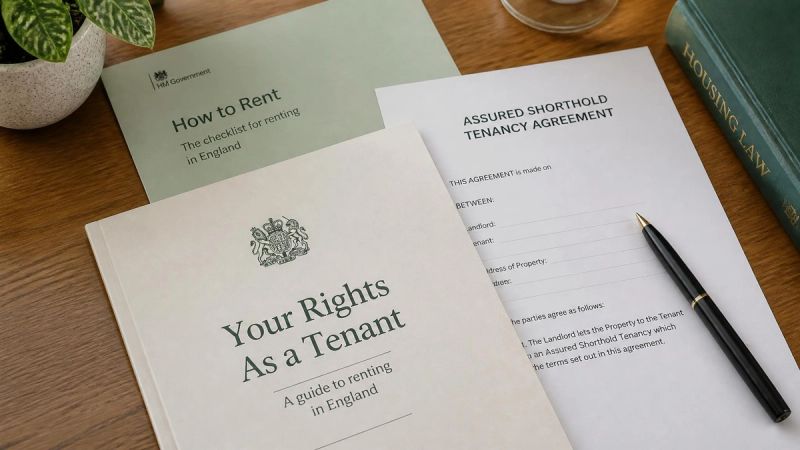
In Ireland, menopause is not currently covered by standalone employment legislation. However, existing laws offer important protections, and the conversation around workplace menopause support is growing rapidly:
The Employment Equality Acts. Menopause can be linked to age, sex, or disability discrimination depending on the circumstances. Employers cannot treat you less favourably because of menopause-related symptoms.
Health and Safety at Work Act. Employers have a duty to ensure your workplace does not damage your health. This includes managing temperature, ventilation, access to toilets, and working conditions that worsen symptoms.
Reasonable accommodation. If you have a medical condition significantly affected by menopause, you may be entitled to reasonable accommodations at work, such as flexible hours, access to a quiet room, or changes to uniform requirements.
Sick leave. If your symptoms are severe, normal sick leave and medical certification processes apply. You should not feel you have to hide menopause as the reason.
Irish guidance is still developing. The Irish Human Rights and Equality Commission and several trade unions have called for clearer workplace menopause policies. In the meantime, knowing your existing rights gives you a starting point for conversations.

What to Tell Your Employer
You do not have to disclose menopause at work. It is your choice. But if symptoms are affecting your performance or comfort, a supportive conversation can make a real difference.
Before speaking to your manager:
- Keep a brief symptom diary for a week or two
- Note which conditions at work make symptoms worse
- Think about specific adjustments that would help
- Know your rights and any workplace policies that exist
When you're ready, ask for a private meeting. You don't need to share every detail. A simple framing can work: "I'm experiencing some health symptoms related to menopause that are affecting me at work. I'd like to discuss a few small adjustments that would help me keep doing my job well."
Our article on therapy for menopause in Ireland explains how counselling can help you prepare for difficult workplace conversations.
What a Good Workplace Menopause Policy Looks Like
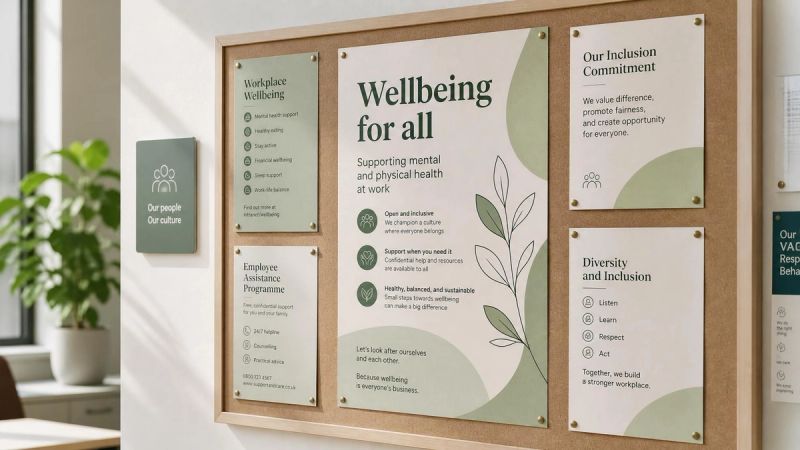
Progressive employers in Ireland and the UK are starting to introduce menopause policies. These policies usually include:
- Training for managers so they can handle conversations sensitively
- Information for all staff about menopause and available support
- Flexible working options and reasonable adjustments
- Access to cool, quiet rest areas
- Clear signposting to occupational health, EAP services, or external support
- A commitment that menopause-related absences will be treated fairly
If your employer doesn't have a policy, you could volunteer to help develop one. Many HR teams are open to guidance, especially when it comes from employees with lived experience. A good policy doesn't just help those currently going through menopause. It signals that the organisation takes employee health seriously and wants people to stay and thrive.

Practical Adjustments That Help
Small changes at work can significantly reduce the impact of menopause symptoms. Useful adjustments include:
- Access to a desk fan or control over desk temperature
- Flexible working hours for medical appointments or poor sleep nights
- The option to work from home when symptoms are severe
- Easy access to toilets and private spaces
- A quiet room for rest during breaks
- Adjustments to uniform or dress code
- Clear written notes after meetings to support memory
- Reduced meeting load or the option to dial in rather than attend in person
- Temporary workload review if symptoms are severe
These adjustments are usually low-cost and high-impact. They also benefit other employees, not just those going through menopause.

Managing Symptoms During the Working Day
Alongside workplace adjustments, personal strategies can help you get through the day:
Dress in layers. Natural fabrics and removable layers make hot flushes easier to manage.
Keep water nearby. Staying hydrated helps with temperature regulation and concentration.
Use cooling products. Small handheld fans, cooling sprays, or gel pads can be kept in a desk drawer or bag.
Take breaks. Short walks, fresh air, and a few minutes away from screens can reduce anxiety and brain fog.
Plan around energy. If possible, schedule demanding tasks for times of day when you feel sharper.
Breathe through anxiety. Slow breathing techniques can calm the nervous system before meetings or difficult conversations.
Don't skip meals. Blood sugar dips can worsen mood, irritability, and concentration.
Protect your boundaries. If your workload has crept up, practise saying no or negotiating deadlines. Menopause is a time when sustainable pacing matters more than ever.
Use memory aids. Calendar reminders, written to-do lists, and voice notes can reduce the mental load while brain fog is affecting you.

When Work Is Making Things Worse
Sometimes the workplace itself is the biggest source of stress. A culture of presenteeism, unrealistic deadlines, lack of flexibility, or unsympathetic management can turn manageable symptoms into a crisis.
If work is making your menopause symptoms worse, consider:
- Speaking to HR or a trusted manager about formal accommodations
- Documenting your requests and any responses
- Contacting your trade union if you have one
- Seeking legal advice if you believe you're being discriminated against
- Speaking to your GP about sick leave if you need time to recover
Your health comes first. No job is worth sacrificing your wellbeing or dignity for.

How Therapy Can Support You
Workplace stress during menopause often sits on top of other pressures: family responsibilities, financial concerns, identity shifts, and physical symptoms. Therapy can help you manage the emotional load and make clearer decisions.
CBT can help with work-related anxiety, perfectionism, and sleep problems. Counselling can give you space to process the bigger picture: what you want from this stage of life, how work fits in, and how to advocate for yourself.
If work is becoming unmanageable, you can get matched with an accredited Irish therapist through Feel Better Therapy. Online sessions fit around your schedule and can be done from home.

Frequently Asked Questions
Do I have to tell my employer I'm going through menopause?
No. Disclosure is your choice. You only need to share what you're comfortable with, and only if it helps you access support.
Can my employer refuse reasonable adjustments?
Employers must consider reasonable adjustments, especially if your symptoms amount to a health condition. Refusals should be justified and proportionate. If you feel unfairly treated, seek advice from a union, the Workplace Relations Commission, or a solicitor.
Is menopause covered by Irish sick leave?
Yes. If your symptoms mean you cannot work, normal sick leave arrangements apply. Your GP can certify you as unfit for work.
What if my workplace doesn't have a menopause policy?
Many Irish employers don't yet have one. You can still request adjustments under health and safety and equality law. You can also suggest that your employer develops a policy.
Related Articles
- Therapy for Menopause in Ireland: CBT, Counselling and Online Support
- Menopause Mood Swings and Irritability: What's Normal and What Helps
- Menopause Sleep Problems: Breaking the Night Sweat–Insomnia Cycle
Menopause at work can feel isolating, but you have rights, options, and support available. You don't have to hide what's happening or push through at a cost to your health. With the right adjustments and the right conversations, it's possible to keep working well while taking care of yourself.
Remember that menopause is temporary, even when it really doesn't feel that way. The goal isn't to perform perfectly through it. The goal is to get through it with your health, confidence, and career fully intact.
If workplace stress is adding to the strain, getting matched with a therapist can help you manage anxiety, set boundaries, and plan your next steps.