Menopause Sleep Problems: Breaking the Night Sweat–Insomnia Cycle

Menopause sleep problems are common in Ireland. Learn why night sweats and hormonal changes cause insomnia, and how CBT-I, sleep hygiene, and therapy can help.
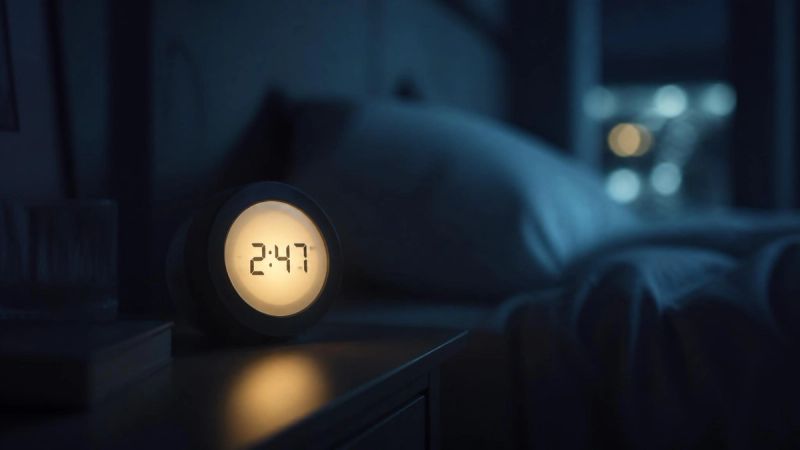
Deirdre used to sleep through anything. Traffic, storms, her husband's snoring — none of it bothered her. But at 50, she's awake at 2:47am most nights, throwing the duvet off, then pulling it back on five minutes later. By 5am she's given up and is scrolling on her phone in the dark, calculating how many hours until she has to function at work. The sleep deprivation has become worse than the night sweats. She's short-tempered, forgetful, and starting to dread bedtime.
Deirdre's experience is one of the most common stories of perimenopause. Sleep problems affect the majority of women during the menopause transition, and they rarely arrive alone. They bring anxiety, low mood, brain fog, and exhaustion with them.
Department of Health research found that 68% of women going through menopause in Ireland report sleep issues as one of their most intense symptoms. Research from The Menopause Hub put the figure even higher, with 57% of women reporting insomnia. Despite this, sleep problems are often treated as an annoying side effect rather than a core issue worth addressing in their own right.

Why Perimenopause Wrecks Your Sleep
Sleep disruption during menopause usually has more than one cause. Understanding them helps you target the right treatment instead of just hoping it passes.
Hormonal changes. Oestrogen supports sleep quality and temperature regulation. When levels drop, the body's ability to maintain a stable core temperature is affected. That's why night sweats and hot flushes can jolt you awake, sometimes several times a night.
Progesterone decline. Progesterone has a sedative effect and helps promote deeper sleep. As it falls during perimenopause, many women find it harder to fall asleep and stay asleep.
Night sweats and temperature dysregulation. These are among the most disruptive symptoms. A sudden wave of heat, followed by sweating and then chills, can fully wake your brain and make it hard to settle again.
Anxiety and racing thoughts. Many women find their mind kicks into gear the moment their head hits the pillow. Worries about work, family, health, or simply the fact that you're not sleeping yet can keep you wired for hours.
Mood changes. Depression and anxiety are common during perimenopause, and both can cause early morning waking or difficulty getting restful sleep.

The Sleep–Mental Health Cycle
Poor sleep and poor mental health feed each other. After a broken night, your emotional regulation is weaker, your stress response is heightened, and your capacity to cope is lower. That makes anxiety and low mood worse. Worse anxiety and low mood then make it harder to sleep the next night.
This cycle is why sleep problems during menopause shouldn't be dismissed. They don't just make you tired. They amplify every other symptom, including irritability, brain fog, and low mood. Addressing sleep can have a domino effect on the rest of your wellbeing.
If you want to understand the mechanics of insomnia more deeply, our article on what insomnia is explains how sleeplessness becomes self-sustaining.

What Actually Helps
There's no one-size-fits-all solution, but the most effective approaches combine sleep hygiene, temperature control, medical support, and psychological strategies.
Cool your sleep environment. Lowering your bedroom temperature can reduce night sweats and help you fall back asleep faster. Use a fan, moisture-wicking bedding, lightweight pyjamas, and layers you can remove easily. Some women find cooling pillows or gel pads helpful.
Stabilise your sleep schedule. Going to bed and waking up at the same time every day helps regulate your body clock. It can be tempting to sleep in after a bad night, but it often makes the next night harder.
Limit alcohol and caffeine. Alcohol may help you fall asleep but it fragments sleep later in the night. Caffeine has a long half-life and can keep you wired if consumed after midday.
Wind down properly. A consistent pre-sleep routine signals to your brain that it's time to rest. Dim the lights, reduce screen exposure, and do something calming for 30 minutes before bed.
Consider CBT-I. Cognitive behavioural therapy for insomnia (CBT-I) is the gold-standard treatment for chronic insomnia. It addresses the thoughts and behaviours that keep sleeplessness going. You can read more in our guide to CBT for insomnia in Ireland.
Talk to your GP. If night sweats or hormonal fluctuations are severely disrupting your sleep, HRT may help. For some women, it's the single most effective intervention. Your GP can also check for other causes of poor sleep, such as thyroid problems, sleep apnoea, or restless legs.

A Practical Evening Routine That Actually Works
A good evening routine isn't about perfection. It's about sending consistent signals to your brain and body that sleep is coming. Here's a simple structure that works well during perimenopause.
Two hours before bed: Finish eating and drinking alcohol. If you're hungry later, choose a small snack that includes protein and complex carbohydrates, such as a banana with a small handful of nuts.
One hour before bed: Dim the lights and reduce screen use. Blue light suppresses melatonin, the hormone that helps regulate sleep. If you must use screens, use night mode and keep brightness low.
Thirty minutes before bed: Do something genuinely calming. A warm bath or shower can help because your body temperature drops afterwards, which promotes sleepiness. Gentle stretching, reading, or a brief breathing exercise also work well.
At bedtime: Keep the bedroom cool. Have layers and a fan within reach. If you wake with a night sweat, change into dry pyjamas if needed, then return to bed without checking your phone. The light from a phone can wake your brain fully and make it much harder to fall back asleep.
If you can't sleep: After 20 minutes, get up and do something quiet in dim light until you feel sleepy again. Lying in bed awake trains your brain to associate bed with wakefulness, which is the opposite of what you want.
During the day: Get outside in natural light, especially in the morning. Daytime light helps anchor your body clock and makes it easier to fall asleep at night. Regular movement also helps, but try to finish vigorous exercise at least three hours before bed.
When Sleep Anxiety Takes Over
For some women, the problem isn't falling asleep — it's the fear of not falling asleep. Sleep anxiety develops when bed becomes associated with wakefulness, worry, and frustration. You dread bedtime. Your heart races when you lie down. You check the clock and calculate how little sleep you'll get.
CBT-I is particularly effective here because it helps retrain your brain to see bed as a place for sleep rather than a place for worry. Techniques include stimulus control (using bed only for sleep), sleep restriction (temporarily limiting time in bed to consolidate sleep), and cognitive restructuring (challenging catastrophic thoughts about sleeplessness).
Our article on sleep anxiety explores this pattern in more detail.

How Therapy Can Support Better Sleep
Therapy can help with the parts of sleep disturbance that medicine alone doesn't reach. Anxiety, low mood, grief, identity changes, and relationship stress can all keep the mind active at night. Talking through these with a therapist can ease the mental load that feeds insomnia.
CBT and CBT-informed counselling are especially useful. They give you practical tools to manage racing thoughts, reduce nighttime worrying, and rebuild healthy sleep habits. For women whose sleep problems are closely tied to menopause-related anxiety or depression, therapy can be a key part of recovery.
At Feel Better Therapy, you can work with an accredited Irish therapist online, including from your own bed on the nights you can't sleep. If sleep has become a source of dread, you can get matched with a therapist who understands insomnia and the menopause transition.

Frequently Asked Questions
Why does menopause cause insomnia?
Insomnia during menopause is usually caused by a combination of hormonal changes, night sweats, temperature dysregulation, anxiety, and mood shifts. These factors can disrupt both falling asleep and staying asleep.
Will my sleep improve after menopause?
For many women, yes. Once hormone levels stabilise after menopause, sleep often improves. However, some women continue to experience sleep problems, especially if chronic insomnia has become established.
Is HRT good for menopause sleep problems?
HRT can be very effective for sleep problems caused by perimenopausal hormonal fluctuations and night sweats. It's not suitable for everyone, so discuss the risks and benefits with your GP.
What is CBT-I?
CBT-I stands for cognitive behavioural therapy for insomnia. It's a structured, evidence-based therapy that addresses the thoughts and behaviours that keep insomnia going. It's recommended as a first-line treatment for chronic insomnia.
Related Articles
- What Is Insomnia? Signs, Symptoms and Causes in Ireland
- CBT for Insomnia (CBT-I): How It Works in Ireland
- Sleep Anxiety: When Worry Keeps You Awake
Menopause sleep problems can feel endless, especially at 3am. But the cycle can be broken. Whether it's cooling your bedroom, adjusting your routine, trying CBT-I, or talking to your GP about HRT, there are real steps that help.
If sleep has become the hardest part of your perimenopause, you can get matched with an accredited Irish therapist through Feel Better Therapy and get support that fits around your nights.
This article is for informational purposes only and does not constitute medical advice. If you are in crisis, please contact Samaritans Ireland on 116 123 or your GP. For persistent insomnia or severe sleep disruption, seek medical advice.