Supporting Your Partner Through Menopause: A Practical Guide

How to support your partner through menopause in Ireland. Practical advice on communication, emotional support, intimacy, and when to encourage professional help.
Brian has been married to Niamh for twenty-two years. Lately, he feels like he's walking on eggshells. One evening she's irritable and snaps at him over nothing. The next, she's withdrawn and says she feels empty. Their sex life has changed. She wakes up several times a night covered in sweat. Brian wants to help, but every time he asks what's wrong, she says he wouldn't understand. He's starting to feel shut out, frustrated, and lonely.
If you're supporting a partner through menopause, you might recognise some of this. It's a transition that affects both of you, even though the physical symptoms are happening in her body. Many partners want to be supportive but don't know what to do or say. This guide offers practical ways to show up, communicate better, and look after your own wellbeing too.
Understanding What's Actually Happening
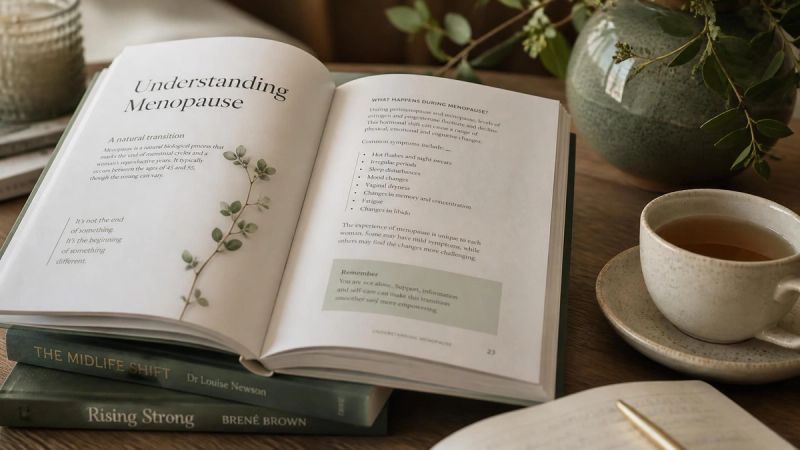
Menopause is not just about hot flushes and periods stopping. Perimenopause, the lead-up to menopause, can last several years and brings a wide range of symptoms. These include:
- Anxiety, low mood, and irritability
- Sleep problems and night sweats
- Brain fog and memory issues
- Fatigue and loss of energy
- Changes in libido and vaginal dryness
- Physical symptoms such as joint pain, headaches, and weight changes
- A sense of grief, loss, or identity shift
Understanding this helps you see that your partner's changes in mood or behaviour are not personal. They are biological and psychological responses to a major hormonal transition. That doesn't mean you should ignore your own feelings, but it can help you respond with more patience and less defensiveness.
Our article on what is perimenopause explains the full range of symptoms in more detail.

How Menopause Affects Partners Too
Menopause doesn't only change the person experiencing it. It changes the relationship dynamic, the household rhythm, and sometimes the sexual connection you've known for years. As a partner, you may feel confused, rejected, or worried that the person you love is drifting away.
Some partners describe feeling helpless because they can't fix the symptoms. Others feel guilty for wanting their own needs met. Some worry that the relationship won't recover. These feelings are normal, and naming them is the first step toward handling them well.
The important thing to remember is that menopause is a shared transition, not an individual problem. You don't have to go through it silently or pretend you're fine. Your experience matters too, even if it isn't the centre of the story. Acknowledging that helps both of you.

What Your Partner Needs Most
Most partners going through menopause need the same things anyone going through a difficult transition needs: to be believed, to be listened to, and to not feel completely alone.
Believe her. If she says she's struggling, don't minimise it or compare it to other people's experiences. Comments like "it's just part of getting older" or "my sister barely noticed it" can feel dismissive, even when they're not meant that way.
Listen without fixing. Often, partners jump straight to solutions. Sometimes what she needs is simply to be heard. Try asking, "Do you want me to help you figure this out, or do you just want me to listen?"
Be patient with mood changes. Hormonal fluctuations can make emotions feel more intense and less predictable. She may be frustrated with herself too. Reacting calmly and kindly, even when it's hard, can prevent arguments from escalating.
Don't take everything personally. If she's irritable or withdrawn, it's usually not about you. It's about how she's feeling physically and emotionally. This can be difficult to remember in the moment, but it makes a big difference.

How to Talk About It
Bringing up menopause can feel awkward, especially if your partner hasn't named it herself. The goal is to open a conversation, not to diagnose her or demand she sees a doctor.
Choose a calm moment, not in the middle of an argument or when symptoms are flaring. You might say something like:
- "I've noticed you seem really tired and low lately. I want to understand what's going on for you."
- "I read that menopause can affect mood and sleep. Do you think some of what you're feeling might be connected to that?"
- "I want to support you, but I'm not always sure how. Can we talk about what would help?"
Avoid language that sounds accusatory. "You've been really moody" will land differently than "I've noticed you seem overwhelmed."

Practical Ways to Help at Home
Small, consistent actions often matter far more than grand gestures. Here are practical ways to genuinely support your partner:
Help her sleep better. If night sweats are waking her, suggest separate duvets, a cooler bedroom, or a bedside fan. Don't take it personally if she needs space at night.
Share the mental load. Fatigue and brain fog can make everyday tasks feel overwhelming. Taking on more planning, shopping, or household organisation can give her energy back.
Be flexible with social plans. Some days she'll have energy. Other days she won't. Try not to make her feel guilty for cancelling or needing quiet time.
Encourage self-care without nagging. A walk, a bath, time with friends, or a therapy session can help. But pushing too hard can feel like criticism. Gentle invitations work better than instructions.
Educate yourself. Read reputable sources, listen to menopause podcasts, or go with her to a GP appointment if she wants you there. Showing that you're willing to learn means a lot.

Intimacy and Sex
Menopause can change sex drive, comfort, and desire. Vaginal dryness, discomfort, and changes in body image can make intimacy feel complicated. Some women experience a loss of libido, while others find their desire changes in unpredictable ways.
The worst thing you can do is pressure her or withdraw completely. Both responses create distance. The best thing is to keep communication open and be willing to adapt. Ask her what feels good, what doesn't, and whether physical intimacy right now means sex, cuddling, massage, or simply closeness.
Lubricants, vaginal moisturisers, and hormone treatments can help with physical symptoms. These are conversations for her and her GP, but you can support her by being part of the discussion if she wants you to be.

When to Encourage Professional Help
Your support matters, but you can't be her only support. Encourage her to speak to her GP if symptoms are severe, especially:
- Persistent low mood or depression
- Severe anxiety or panic attacks
- Sleep problems that don't improve
- Suicidal thoughts
- Symptoms that are affecting work or relationships
Therapy can also be invaluable. A therapist can give her tools to manage anxiety, process grief, and navigate identity changes. If she's open to it, you can get matched with an accredited Irish therapist through Feel Better Therapy.
Our articles on menopause anxiety, menopause depression, and therapy for menopause have more information.

Looking After Yourself
Supporting someone through menopause can be draining. You may feel rejected, confused, or unsure of your role. These feelings are valid. You can't pour from an empty cup, and resentment builds when your own needs are constantly pushed aside.
Make sure you:
- Talk to a friend, counsellor, or therapist about how you're feeling
- Keep up your own hobbies and social life
- Set boundaries around acceptable behaviour; support doesn't mean tolerating abuse
- Ask for affection and connection in ways that work for both of you
- Remember that this phase is temporary, even when it feels endless
Some couples find that couples counselling helps them navigate menopause together. It creates a space to talk openly, rebuild intimacy, and adjust to a new phase of the relationship.
What Not to Say
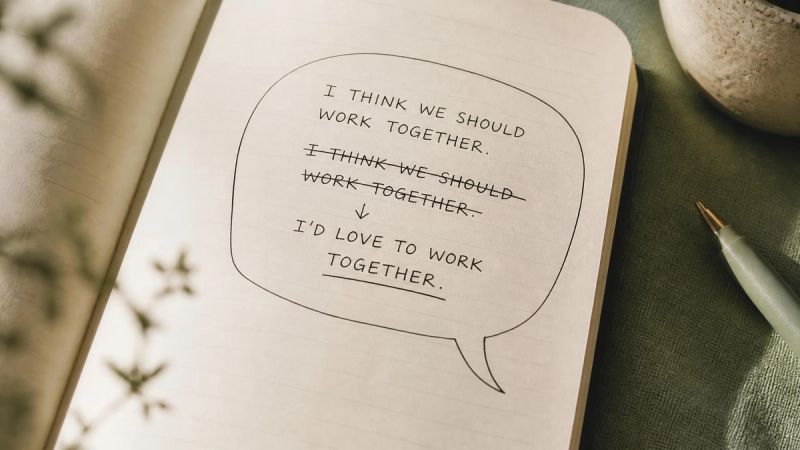
Some phrases, however well-meaning, tend to backfire during menopause:
- "It's just hormones." This dismisses the real impact of what she's experiencing.
- "You're overreacting." It will escalate the situation and make her feel judged.
- "My ex didn't have this problem." Comparisons are never helpful.
- "You just need to exercise more." Advice can feel like blame.
- "Cheer up." If she could, she would.
Instead, try:
- "That sounds really hard."
- "I'm here."
- "What would help right now?"
- "I love you, and we'll figure this out together."

Frequently Asked Questions
Is menopause affecting our relationship permanently?
Not necessarily. Menopause is a transition, not a permanent state. Many couples find their relationship stabilises and even deepens once symptoms are managed and communication improves.
Should I go to the GP with my partner?
Only if she wants you there. Offer to go, but respect her decision if she'd rather go alone. You can still support her by helping her prepare questions.
What if my partner refuses to talk about menopause?
You can't force a conversation. Let her know you're available when she's ready, keep educating yourself, and seek support for your own feelings if needed.
Can therapy help us as a couple?
Yes. Couples counselling can help you communicate better, manage resentment, and rebuild intimacy during menopause.
Related Articles
- Therapy for Menopause in Ireland: CBT, Counselling and Online Support
- Menopause Mood Swings and Irritability: What's Normal and What Helps
- HRT and Mental Health: What to Know Before You Decide
Supporting your partner through menopause doesn't require you to have all the answers. It requires curiosity, patience, and a willingness to stay connected even when things are difficult. She may not always be able to tell you what she needs, but your steady presence matters more than you think.
This article is part of our complete guide to menopause and mental health in Ireland. If either of you would like professional support during this transition, you can get matched with an accredited Irish therapist through Feel Better Therapy.