Men's Mental Health in Ireland: The Complete Guide

A complete guide to men's mental health in Ireland — the numbers, the silence, depression, anger, loneliness, sheds, fatherhood, grief, therapy and body image.
Irish men die by suicide at roughly four times the rate of Irish women. They are less likely to seek help, less likely to be diagnosed with depression, and more likely to arrive at services in a crisis. None of that is because men feel less.
This guide brings together everything in this series: the numbers, the reasons men go quiet, how distress actually presents when it isn't allowed to look like distress, and what genuinely helps. It's long by design — read the section you need, in the order you need it.
Why This Guide Exists
Most mental health information in Ireland is written as though the reader is already comfortable talking about mental health. That rules out a large number of men immediately.
So this series starts from a different place: men who are sceptical, who have been told their whole lives that coping means managing alone, and who are more likely to search for a symptom at 2am than to ring a service. If that's you, the first guide in this series is the place to begin — it deals with the assumption that the silence is personal, and explains why it isn't.
The Numbers
Start with what's measured, because the figures tell you something the slogans don't.
In 2024, the CSO recorded 481 deaths by suicide in Ireland: 387 male and 94 female. Over a five-year window the male share sits at about eight in ten, and one analysis of CSO figures puts it at 78.3 per cent.
The age pattern matters. The highest-risk band in the CSO's more complete analysis was 50–54 — not young men, as the popular image suggests.
And it isn't only deaths. Men's physical health tracks the same way: over 40 per cent of men in Ireland die before the age of 75, and men in the most deprived areas can expect to live five years less than men in the most well-off.
A note on reading these figures. You will see different suicide totals quoted for different years, and they are not all measuring the same thing. Provisional CSO figures for a year are incomplete and get revised upward as late registrations arrive; the annual report figure for 2024 (481) is a fuller count than the provisional number released earlier in the year (351). Wider five-year analyses exist precisely because single-year counts wobble. The direction is stable even when the decimal isn't: roughly eight in ten deaths by suicide in Ireland are men, and that has held for years.
There is also policy now, which is newer than most people realise. The HSE published Healthy Ireland Men (HI-M) 2024–2028 in November 2024, with a funded National Lead for Men's Health — the first time men's health has had a dedicated national programme in Ireland. Separately, the Department of Health put €2 million into counselling supports for men, covering more than 15,000 free sessions a year.

How the Silence Is Learned
Men aren't born refusing to talk. It's taught, over about thirty years, by a series of small lessons nobody calls lessons — at home, in school, in the dressing room, in the family story.
Rebecca McLaughlin of the Irish Men's Sheds Association describes the pattern: across generations men differ in their views, "yet consistent among men both young and old is a tendency to believe that seeking help challenges their masculine identity. Men of all ages present later and with more acute symptoms."
The rules themselves are rarely spoken but almost universally known. Don't complain unless it's justified. Don't cry in front of other men, especially not your father. Don't let anyone see you struggle, because being seen to struggle is worse than struggling. Sort it out yourself. If you must talk, make it funny.
Each rule protects a man from something real — ridicule, being a burden, being treated differently at work. They work, in the short term. That's exactly why they survive, and why they're so hard to put down later.
That's the cost in clinical language: later, and sicker. The full guide to why men don't talk covers where the rules are learned, what they are, and how they break.
Depression That Doesn't Look Like Depression
The picture most people have of depression — sadness, crying, withdrawal — is drawn from how it presents in women. In men it more often arrives as irritability, long hours, drink, physical complaints, risk-taking and a flat numbness that a man would describe as "fine".
The diagnostic paradox says it plainly: women are diagnosed with depression roughly twice as often as men, while men are roughly twice as likely to die by suicide.
Irish research also finds male distress is often "suppressed and manifested through more 'acceptable' male outlets, such as alcohol abuse and aggressive behaviour". The guide to depression in men lists the eight disguises, the self-check that doesn't require feeling sad, and what helps.
Anger, the Only Permitted Emotion
If sadness and fear are discouraged and anger is allowed, anger becomes the outlet for everything else. That's not a character flaw; it's a routing problem.
Ciarán Everitt, writing in the Irish Journal of Counselling and Psychotherapy, notes that many therapeutic models "prioritise verbal expression and introspective exploration, which may feel uncomfortable or unfamiliar to men whose emotional engagement is more action-oriented."
Anger has real costs — at home, where it makes other people careful, and at work, where it is often rewarded until it isn't. The guide to anger in men covers what sits underneath it, and where to go if it's frightening someone.

Loneliness Nobody Names
Here's a contradiction worth sitting with. In the CSO's 2024 survey, 11.7 per cent of men reported feeling lonely at least some of the time, against 17.1 per cent of women. Yet in TILDA's data, 56 per cent of men living alone were in the most lonely group, compared with 45.3 per cent of women — and living alone hit men harder.
Men report less loneliness and are measurably more isolated. The word isn't in most men's vocabulary, so the surveys miss them. The guide to men's loneliness covers why men's friendships collapse when the activity stops, and the structural reasons — emigration, thinning parishes, retirement.
What Actually Works: the Sheds
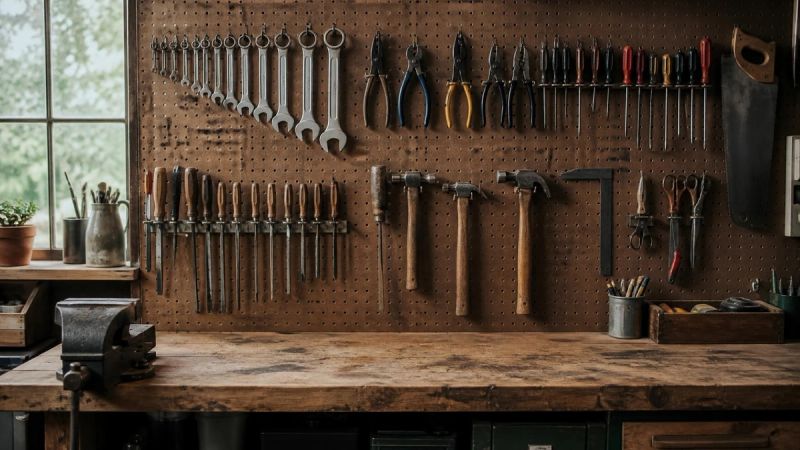
The strongest Irish evidence for any intervention in this area comes from men's sheds.
There are around 450 sheds on the island, and over 10,000 men attend one every week. When the sheds ran a ten-week health programme — Sheds for Life, evaluated by Aisling McGrath at WIT with 421 men across 22 sheds — physical activity at guideline levels rose from 31.2 to 51.5 per cent, mental wellbeing improved by 17 per cent, and the number of men comfortable discussing their mental health rose by 20 per cent. 80 per cent of those health-checked were referred to their GP.
Then Covid closed the sheds, and the research captured what they hold up: loneliness went from 1.4 per cent to 29.7 per cent at six months and 39.2 per cent at twelve.
The mechanism, in the Irish Men's Sheds Association's own phrase, is that men may not talk face to face, but they do talk shoulder to shoulder.
In practice, joining one involves no application, no referral and no disclosure. You find the nearest shed on the map at menssheds.ie, ring ahead to ask what day they're open, and turn up. Expect tea first and questions about what you're into rather than how you're feeling. Give it three visits before deciding — the first is strange for everyone. The full guide to men's sheds covers the evidence, the limits, and how to join one.
Fathers
Fatherhood is a role with no wellbeing clause in it. A man is expected to be present, patient, steady — and not to fall apart.
The Irish research is uncomfortable: Philpott and Corcoran found 28 per cent of new fathers above the threshold for depression, and a more recent Irish hospital survey found 33 per cent at the lower threshold. Prof Sinéad McGilloway of Maynooth University puts the gap bluntly: "Fathers' mental health in this period is unrecognised, under treated, undiagnosed and a lot of men are unsupported."
It also covers the separation version — fatherhood after the family home ends. The guide to fathers' mental health covers presentation, leave entitlements and what helps.

Grief
Irish funerals give men a physical role — carry the coffin, drive the car, stand at the door — for about three days. Then the script runs out.
Research published in 2025 with UCD and Irish Hospice Foundation authors found bereaved men have an 80 per cent higher risk of mental health problems over five years and double the risk of psychiatric hospitalisation. The same work found what helped: maintaining a bond with the person who died, distraction when needed, and channelling grief into action.
The guide to men and grief covers the shapes grief takes in men, the support gap (only 30 per cent of people in Ireland believe there are enough supports), and how to survive the second year.
Therapy: What It Actually Involves
Most men's idea of therapy comes from television and puts them off before they start. The reality is a structured conversation with someone who has done it a thousand times, in a room where nothing shocks them.
Practical facts: you don't need a GP referral to see a private therapist; accreditation with IACP, IAHIP or PSI is the filter worth using; CBT-style work often suits men because it provides structure and skills; and switching therapists is normal, not failure.
Worth knowing: IACP membership is 78 per cent female and MyMind's client base last year was 62 per cent female, 34 per cent male — men are a minority in therapy, which says something about access, not about who therapy is for.
The guide to therapy for men walks through the first session, the questions you'll be asked, the choices, the costs and the funded routes.
Bodies and Eating Disorders
Body pressure in men is quieter and more hidden than in women, and it hides inside fitness language: restriction is a cut, obsession is dedication, compulsive exercise is discipline.
As many as one in four eating disorders occur in men — yet of 503 people diagnosed through HSE specialist eating disorder teams in 2024, 90 per cent were female. Among Irish boys aged 10 to 17, the proportion dieting or trying to lose weight rose from 6.6 per cent in 2002 to 11.2 per cent in 2022.
Dr Louise Hanson of DCU explains why so many men don't recognise it: the criteria were built around thinness, while "a lot of undiagnosed men experience symptoms which are more to do with building muscle." The guide to men's bodies and eating disorders covers muscle dysmorphia, bulking and cutting, and where to get help.

Where to Start Today
If you take one thing from this guide, take this: the smallest action works better than the perfect plan.
Four routes, in ascending order of effort:
1. Tell one person one true sentence. "I'm not sleeping." "I'm not right since March." A text counts.
2. Go to the GP with the physical version. Not sleeping, no appetite, chest tight, drinking more, short fuse. GPs hear this constantly, and it's a legitimate door in. Ask what men's counselling supports are available locally — there's now funding behind that question.
3. Join something with a job in it. A shed, a club, a walking group, a volunteer project. The conversation happens sideways, which is how most men get talking.
4. Book a therapist. You don't need a referral, you don't need to explain yourself well, and you can ask for structure.
If you'd rather skip the searching, you can get matched with a therapist and start there.
What to expect from the first week. Probably not much visible change, and that's normal. The value of the first step is that it breaks the isolation, not that it resolves anything. Most men notice the difference at the point they have one person who knows — because the pretending stops, and pretending is the most draining part of the whole business.

If You're Worried About Someone Else
Most men who get help get there because somebody else noticed first. If that somebody is you, the technique matters more than the words.
Describe, don't diagnose. "You've stopped going to the club" or "you've been drinking more since your father died" is information. "Are you depressed?" is a question most men will answer with "I'm grand", and the matter closes.
Ask one specific question, not an open one. "You've been quiet the last few weeks — what's going on?" gets further than "how are you".
Don't rush to reassure. If he says something frightening, stay with it rather than tidying it away. "That sounds serious — tell me more" is better than "sure you'll be fine".
Be the reason he gets in the door. Psychotherapist Mark Herman reports that about half his male clients arrive by "some kind of proxy" — a partner, mother, sister or daughter who pushed. Being that person isn't overstepping; it's often how it happens.
Check again in week three. The first week is full of offers of help. The third week is when a man is alone with it and everyone else has moved on.
Mind yourself too. Supporting a man who won't engage is exhausting, and there's no medal for absorbing it silently. You're allowed to get support for your own side of it.

If You Need Help Now
Samaritans — 116 123, free, 24 hours a day. Text About It — 50808, free, 24-hour text support. Pieta — 1800 247 247, free, 24 hours. Irish Hospice Foundation Bereavement Support Line — 1800 80 70 77, Monday to Friday, 10am–1pm. ALONE — 0818 222 024, 8am–8pm, seven days. Emergency — 112 or 999, or your nearest emergency department.
Frequently Asked Questions
Are men in Ireland really worse off than women on mental health?
On the hardest measures, yes: men account for roughly eight in ten deaths by suicide, die younger, and present later with more acute symptoms. On measures like diagnosed depression, women have higher rates — which is part of the same problem.
What is the most useful first step?
One person, one true sentence. Or the GP with a physical symptom. Both are legitimate and neither requires you to have worked out what to call it.
Is there help specifically for men?
Yes — the State now funds men's counselling sessions (over 15,000 a year, accessed via GPs), Healthy Ireland Men 2024–2028 has a national lead, and men's sheds provide a practical route for thousands of men every week.
Does talking actually help?
The evidence says yes, provided the format fits. Structured, goal-focused work tends to suit men better than open-ended emotional exploration.
What if I'm worried about someone else?
Say what you've noticed, not what you've diagnosed. "You've stopped going to the club" lands better than "are you depressed". Then keep checking in after the first week, when everyone else stops.
Related Articles
- Depression in Men: Why Irish Men Struggle to Seek Help
- Anger Management for Men in Ireland
- Eating Disorders in Men: What to Know
This article is for informational and emotional support only and does not constitute medical advice. If you are in crisis or having thoughts of suicide, contact Samaritans on 116 123 (free, 24/7), Text About It on 50808 (free, 24/7) or Pieta on 1800 247 247 (free, 24/7), or use 112 or 999 or attend your nearest emergency department.
The version of strength that lasts isn't silence — it's noticing you're not right, saying so to one person, and getting help before anyone else has to notice for you. If that feels like too much to do alone, you can get matched with a therapist.